


- Afhalen na 1 uur in een winkel met voorraad
- Gratis thuislevering in België vanaf € 30
- Ruim aanbod met 7 miljoen producten
- Afhalen na 1 uur in een winkel met voorraad
- Gratis thuislevering in België vanaf € 30
- Ruim aanbod met 7 miljoen producten





€ 52,55
+ 52 punten
Omschrijving
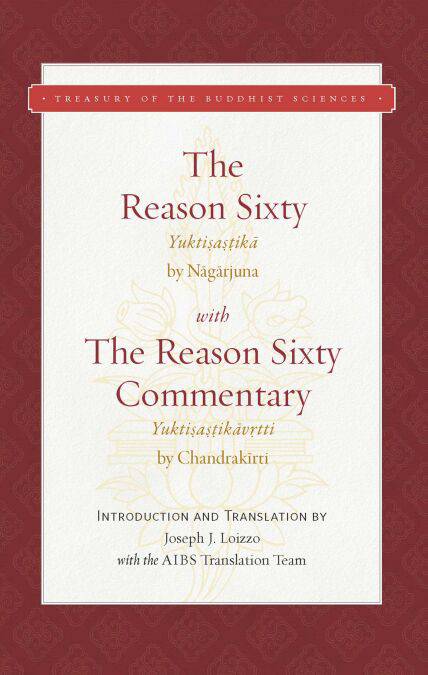
Presents two key Indian Buddhist philosophical masterpieces that integrate the Buddhist ethos of wisdom and compassion, with their profound relevance to contemporary thought clarified by a renowned scholar of contemplative science.
This volume contains English translations of two critical treatises of the Middle Way (Madhyamaka) Buddhist philosophical school: the Reason Sixty, by the most important of Indian thinkers, Nagarjuna (2nd CE), and the commentary by his most influential successor, Chandrakirti (7th CE). These two treatises emphasize the non-foundationalist reasoning for which Madhyamaka thought is famed, here within the context of that quintessential Buddhist topic, universal compassion, thereby illuminating the nondual nature of these two fundamental components of Indian Buddhist thought. The full import of Nagarjuna’s verses are brought to life by Chandrakirti, whose influence in Tibetan Buddhist educational institutions remains profound to the present. Translator Joseph Loizzo, a Harvard-trained psychiatrist and Columbia-trained Buddhologist, elucidates the relevance of these two treatises to the linguistic turn in contemporary philosophy and emphasizes their practical, therapeutic possibilities. Comparing, in particular, the deep resonances between Chandrakirti’s commentary and Wittgenstein’s later work, Loizzo presents a masterful analysis in cross-cultural thought that highlights the transformative potential of philosophy.
This volume contains English translations of two critical treatises of the Middle Way (Madhyamaka) Buddhist philosophical school: the Reason Sixty, by the most important of Indian thinkers, Nagarjuna (2nd CE), and the commentary by his most influential successor, Chandrakirti (7th CE). These two treatises emphasize the non-foundationalist reasoning for which Madhyamaka thought is famed, here within the context of that quintessential Buddhist topic, universal compassion, thereby illuminating the nondual nature of these two fundamental components of Indian Buddhist thought. The full import of Nagarjuna’s verses are brought to life by Chandrakirti, whose influence in Tibetan Buddhist educational institutions remains profound to the present. Translator Joseph Loizzo, a Harvard-trained psychiatrist and Columbia-trained Buddhologist, elucidates the relevance of these two treatises to the linguistic turn in contemporary philosophy and emphasizes their practical, therapeutic possibilities. Comparing, in particular, the deep resonances between Chandrakirti’s commentary and Wittgenstein’s later work, Loizzo presents a masterful analysis in cross-cultural thought that highlights the transformative potential of philosophy.
Specificaties
Betrokkenen
- Auteur(s):
- Uitgeverij:
Inhoud
- Aantal bladzijden:
- 314
- Taal:
- Engels
- Reeks:
Eigenschappen
- Productcode (EAN):
- 9781949163278
- Verschijningsdatum:
- 26/08/2024
- Uitvoering:
- E-book
- Beveiligd met:
- Adobe DRM
- Formaat:
- ePub


Alleen bij Standaard Boekhandel
+ 52 punten op je klantenkaart van Standaard Boekhandel
Cadeau

AANGERADEN


Beoordelingen
We publiceren alleen reviews die voldoen aan de voorwaarden voor reviews. Bekijk onze voorwaarden voor reviews.