


- Afhalen na 1 uur in een winkel met voorraad
- Gratis thuislevering in België vanaf € 30
- Ruim aanbod met 7 miljoen producten
- Afhalen na 1 uur in een winkel met voorraad
- Gratis thuislevering in België vanaf € 30
- Ruim aanbod met 7 miljoen producten





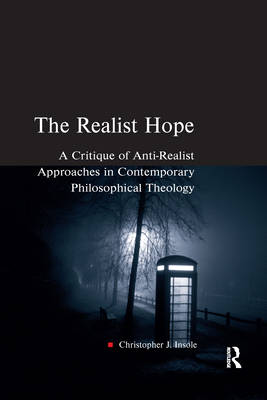
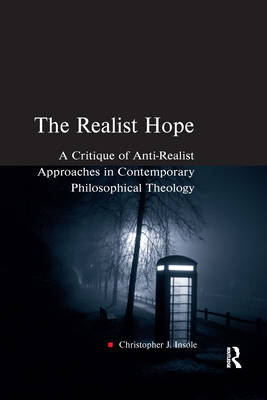
The Realist Hope
A Critique of Anti-Realist Approaches in Contemporary Philosophical Theology
Christopher J Insole
€ 94,95
+ 189 punten
Omschrijving
Taking into consideration analytical, continental, historical, post-modern and contemporary thinkers, Insole provides a powerful defence of a realist construal of religious discourse. Insole argues that anti-realism tends towards absolutism and hubris. Cutting through the tired and well-rehearsed debates in this area, Insole provides a fresh perspe
Specificaties
Betrokkenen
- Auteur(s):
- Uitgeverij:
Inhoud
- Aantal bladzijden:
- 224
- Taal:
- Engels
- Reeks:
Eigenschappen
- Productcode (EAN):
- 9781032180120
- Verschijningsdatum:
- 30/09/2021
- Uitvoering:
- Paperback
- Formaat:
- Trade paperback (VS)
- Afmetingen:
- 156 mm x 234 mm
- Gewicht:
- 317 g


Alleen bij Standaard Boekhandel
+ 189 punten op je klantenkaart van Standaard Boekhandel
Cadeau

AANGERADEN


Beoordelingen
We publiceren alleen reviews die voldoen aan de voorwaarden voor reviews. Bekijk onze voorwaarden voor reviews.