


- Afhalen na 1 uur in een winkel met voorraad
- Gratis thuislevering in België vanaf € 30
- Ruim aanbod met 7 miljoen producten
- Afhalen na 1 uur in een winkel met voorraad
- Gratis thuislevering in België vanaf € 30
- Ruim aanbod met 7 miljoen producten





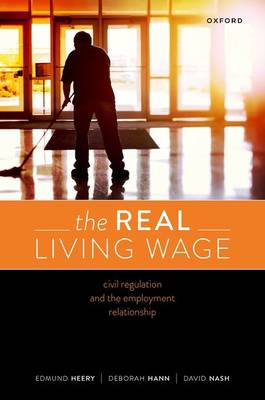
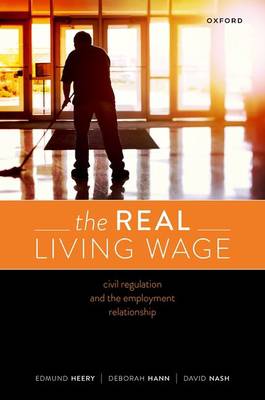
The Real Living Wage
Civil Regulation and the Employment Relationship
Edmund Heery, Deborah Hann, David Nash
Hardcover | Engels
€ 185,45
+ 370 punten
Omschrijving
The book examines the nature of the Real Living Wage as a body of civil regulation, the organizations behind the campaign and the methods they have used, the response of employers, including the motives and characteristics of businesses that have adopted the Living Wage. It also examines the responses of trade unions, which have included both cooperation and conflict, the role of public authorities, which have used a variety of non-statutory policy levers to encourage employers to adopt the Living Wage, and the outcomes of the campaign in terms of redistributive benefits for employees, economic benefits for adopting businesses, and wider social and institutional impacts. The book concludes by considering what the campaign tells us about the evolution of the employment system in the UK, noting that civil regulation and the institutions which create it have become important new system-elements.
Specificaties
Betrokkenen
- Auteur(s):
- Uitgeverij:
Inhoud
- Aantal bladzijden:
- 298
- Taal:
- Engels
Eigenschappen
- Productcode (EAN):
- 9780198835264
- Verschijningsdatum:
- 1/11/2023
- Uitvoering:
- Hardcover
- Formaat:
- Genaaid
- Afmetingen:
- 163 mm x 231 mm
- Gewicht:
- 612 g


Alleen bij Standaard Boekhandel
+ 370 punten op je klantenkaart van Standaard Boekhandel
CADEAU

AANGERADEN


Beoordelingen
We publiceren alleen reviews die voldoen aan de voorwaarden voor reviews. Bekijk onze voorwaarden voor reviews.