


- Afhalen na 1 uur in een winkel met voorraad
- Gratis thuislevering in België vanaf € 30
- Ruim aanbod met 7 miljoen producten
- Afhalen na 1 uur in een winkel met voorraad
- Gratis thuislevering in België vanaf € 30
- Ruim aanbod met 7 miljoen producten





Omschrijving
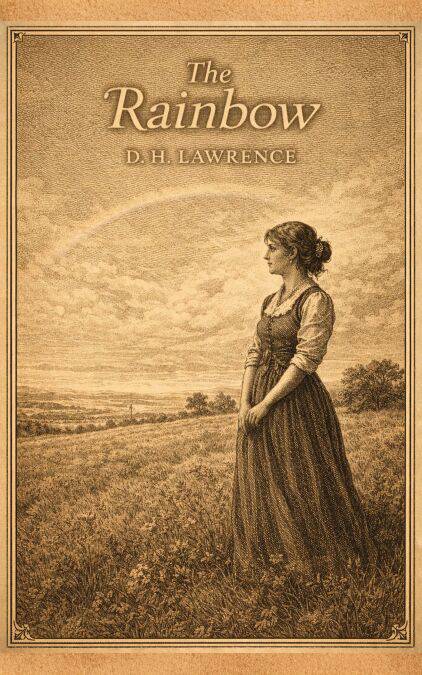
The Rainbow by D.H. Lawrence is a powerful and deeply emotional novel that explores love, passion, identity, and the struggle for personal freedom across three generations of the Brangwen family. Set against the changing landscape of rural and industrial England in the late nineteenth and early twentieth centuries, the novel traces the evolving relationships between men and women as they seek meaning, fulfillment, and independence in a rapidly transforming world.
At its heart, The Rainbow is a story about desire — not only romantic and physical desire, but the deeper longing for spiritual connection and self-realization. Lawrence examines how individuals struggle to reconcile their inner needs with societal expectations, family obligations, and cultural traditions. Each generation of the Brangwen family faces its own challenges in love and marriage, revealing shifting attitudes toward gender roles, intimacy, and personal freedom.
The novel begins with Tom Brangwen and his marriage to a Polish widow, Lydia, whose mysterious and emotional depth challenges Tom's simple rural life. Their relationship sets the tone for the emotional intensity that follows. The story then moves to the next generation, focusing on Anna Brangwen and her passionate, often turbulent marriage to Will. Through their struggles, Lawrence portrays the clash between physical desire and spiritual yearning, tradition and individuality.
The final and most compelling part of the novel centers on Ursula Brangwen, whose journey toward independence forms the emotional core of the book. Unlike the women before her, Ursula seeks education, intellectual growth, and autonomy beyond marriage. Her experiences reflect the broader social changes of the time, including the rise of women's rights and the tensions of modern industrial society. Through Ursula, Lawrence explores the search for identity in a world that is both expanding and fragmenting.
Rich with symbolism, natural imagery, and psychological insight, The Rainbow challenges conventional ideas about love and morality. Lawrence's vivid descriptions of the English countryside contrast with the encroaching forces of industrialization, highlighting the tension between nature and modernity. The novel's bold treatment of sexuality and emotional intensity was controversial upon its publication, yet it remains one of Lawrence's most significant and enduring works.
Ultimately, The Rainbow is a novel about growth — emotional, spiritual, and societal. It captures the restless human desire to move beyond limitations and to seek a fuller, more authentic existence. Through its unforgettable characters and profound exploration of human relationships, The Rainbow continues to resonate as a timeless examination of love, conflict, and the quest for self-discovery.
At its heart, The Rainbow is a story about desire — not only romantic and physical desire, but the deeper longing for spiritual connection and self-realization. Lawrence examines how individuals struggle to reconcile their inner needs with societal expectations, family obligations, and cultural traditions. Each generation of the Brangwen family faces its own challenges in love and marriage, revealing shifting attitudes toward gender roles, intimacy, and personal freedom.
The novel begins with Tom Brangwen and his marriage to a Polish widow, Lydia, whose mysterious and emotional depth challenges Tom's simple rural life. Their relationship sets the tone for the emotional intensity that follows. The story then moves to the next generation, focusing on Anna Brangwen and her passionate, often turbulent marriage to Will. Through their struggles, Lawrence portrays the clash between physical desire and spiritual yearning, tradition and individuality.
The final and most compelling part of the novel centers on Ursula Brangwen, whose journey toward independence forms the emotional core of the book. Unlike the women before her, Ursula seeks education, intellectual growth, and autonomy beyond marriage. Her experiences reflect the broader social changes of the time, including the rise of women's rights and the tensions of modern industrial society. Through Ursula, Lawrence explores the search for identity in a world that is both expanding and fragmenting.
Rich with symbolism, natural imagery, and psychological insight, The Rainbow challenges conventional ideas about love and morality. Lawrence's vivid descriptions of the English countryside contrast with the encroaching forces of industrialization, highlighting the tension between nature and modernity. The novel's bold treatment of sexuality and emotional intensity was controversial upon its publication, yet it remains one of Lawrence's most significant and enduring works.
Ultimately, The Rainbow is a novel about growth — emotional, spiritual, and societal. It captures the restless human desire to move beyond limitations and to seek a fuller, more authentic existence. Through its unforgettable characters and profound exploration of human relationships, The Rainbow continues to resonate as a timeless examination of love, conflict, and the quest for self-discovery.
Specificaties
Betrokkenen
- Auteur(s):
- Uitgeverij:
Inhoud
- Aantal bladzijden:
- 642
- Taal:
- Engels
Eigenschappen
- Productcode (EAN):
- 9788847259010
- Verschijningsdatum:
- 13/02/2026
- Uitvoering:
- E-book
- Beveiligd met:
- Digital watermarking
- Formaat:
- ePub


Alleen bij Standaard Boekhandel
Cadeau

AANGERADEN


Beoordelingen
We publiceren alleen reviews die voldoen aan de voorwaarden voor reviews. Bekijk onze voorwaarden voor reviews.