


- Afhalen na 1 uur in een winkel met voorraad
- Gratis thuislevering in België vanaf € 30
- Ruim aanbod met 7 miljoen producten
- Afhalen na 1 uur in een winkel met voorraad
- Gratis thuislevering in België vanaf € 30
- Ruim aanbod met 7 miljoen producten





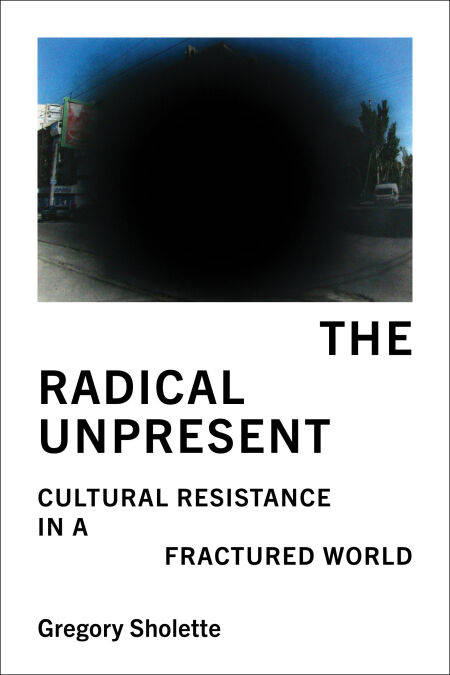
The Radical Unpresent E-BOOK
Cultural Resistance in a Fractured World
Gregory Sholette
E-book | Engels
€ 34,45
+ 34 punten
Uitvoering
Omschrijving
A necessary and timely exploration of art activism today, informed by centuries of protest.
How contemporary artists and activists are navigating and resisting the collapse of historical time in our uncanny present.
The Radical Unpresent examines our disorienting contemporary moment, in which our experience of time has become profoundly disrupted. Building on his earlier work on “dark matter” in the art world, Gregory Sholette introduces the concept of the unpresent—a condition in which everything appears the same yet is completely transformed, lacking both a past and a future.
The book traces the emergence of this uncanny temporal state through Brexit, Trump’s first election, and the COVID pandemic, culminating in the January 6th insurrection and the rise of MAGA 2.0 in 2025. Sholette analyzes how this temporal crisis manifests in both progressive and reactionary cultural responses, arguing that MAGA represents not simply regression but also a new kind of “retro-vanguard” that seeks to escape the unpresent by restoring an imagined past.
Never one to be content with the status quo, Sholette reveals the inner workings of a “phantom archive”—a surplus repository of activist practices, unrealized possibilities, and spectral histories that artists access through repair, repurposing, and reenactment. Through examples ranging from Dread Scott’s slave rebellion reenactment to contemporary Belarus protest art, he demonstrates how artists are creating temporal interventions that acknowledge historical wounds while opening pathways to alternative futures.
How contemporary artists and activists are navigating and resisting the collapse of historical time in our uncanny present.
The Radical Unpresent examines our disorienting contemporary moment, in which our experience of time has become profoundly disrupted. Building on his earlier work on “dark matter” in the art world, Gregory Sholette introduces the concept of the unpresent—a condition in which everything appears the same yet is completely transformed, lacking both a past and a future.
The book traces the emergence of this uncanny temporal state through Brexit, Trump’s first election, and the COVID pandemic, culminating in the January 6th insurrection and the rise of MAGA 2.0 in 2025. Sholette analyzes how this temporal crisis manifests in both progressive and reactionary cultural responses, arguing that MAGA represents not simply regression but also a new kind of “retro-vanguard” that seeks to escape the unpresent by restoring an imagined past.
Never one to be content with the status quo, Sholette reveals the inner workings of a “phantom archive”—a surplus repository of activist practices, unrealized possibilities, and spectral histories that artists access through repair, repurposing, and reenactment. Through examples ranging from Dread Scott’s slave rebellion reenactment to contemporary Belarus protest art, he demonstrates how artists are creating temporal interventions that acknowledge historical wounds while opening pathways to alternative futures.
Specificaties
Betrokkenen
- Auteur(s):
- Uitgeverij:
Inhoud
- Aantal bladzijden:
- 344
- Taal:
- Engels
Eigenschappen
- Productcode (EAN):
- 9780262054133
- Verschijningsdatum:
- 19/10/2026
- Uitvoering:
- E-book
- Beveiligd met:
- Adobe DRM
- Formaat:
- ePub


Alleen bij Standaard Boekhandel
+ 34 punten op je klantenkaart van Standaard Boekhandel
Cadeau

AANGERADEN


Beoordelingen
We publiceren alleen reviews die voldoen aan de voorwaarden voor reviews. Bekijk onze voorwaarden voor reviews.