


- Afhalen na 1 uur in een winkel met voorraad
- Gratis thuislevering in België vanaf € 30
- Ruim aanbod met 7 miljoen producten
- Afhalen na 1 uur in een winkel met voorraad
- Gratis thuislevering in België vanaf € 30
- Ruim aanbod met 7 miljoen producten





€ 15,95
+ 31 punten
Omschrijving
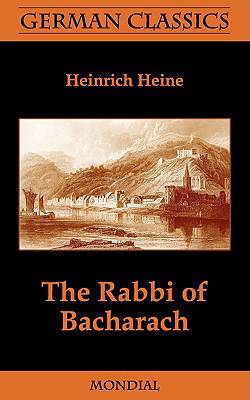
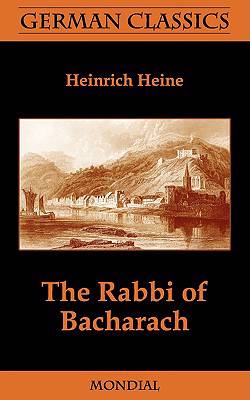
"The Rabbi of Bacharach" is an unfinished novel by German writer Heinrich Heine (1799-1856). It describes the life of Rabbi Abraham and his wife Sara at the end of the Middle Ages in the small town of Bacharach on the Rhine and in the Jewish quarter of Frankfurt on the Main. --- The book also contains a "Biographical Sketch" of the life of Heinrich Heine by Emma Lazarus. --- "During the period of his earnest labors for Judaism, [Heine] had buried himself with fervid zeal in the lore of his race, and had conceived the idea of a prose-legend, the Rabbi of Bacharach, illustrating the persecutions of his people during the middle ages. ... Heine, one of the most subjective of poets, treats this theme in a purely objective manner. He does not allow himself a word of comment, much less of condemnation concerning the outrages he depicts. He paints the scene as an artist, not as the passionate fellow-sufferer and avenger that he is. But what subtle eloquence lurks in that restrained cry of horror and indignation which never breaks forth, and yet which we feel through every line, gathering itself up like thunder on the horizon for a terrific outbreak at the end!" (Emma Lazarus)
Specificaties
Betrokkenen
- Auteur(s):
- Vertaler(s):
- Uitgeverij:
Inhoud
- Aantal bladzijden:
- 104
- Taal:
- Engels
- Reeks:
Eigenschappen
- Productcode (EAN):
- 9781595691002
- Verschijningsdatum:
- 22/07/2008
- Uitvoering:
- Paperback
- Formaat:
- Trade paperback (VS)
- Afmetingen:
- 127 mm x 203 mm
- Gewicht:
- 122 g


Alleen bij Standaard Boekhandel
+ 31 punten op je klantenkaart van Standaard Boekhandel

Beoordelingen
We publiceren alleen reviews die voldoen aan de voorwaarden voor reviews. Bekijk onze voorwaarden voor reviews.