


- Afhalen na 1 uur in een winkel met voorraad
- Gratis thuislevering in België vanaf € 30
- Ruim aanbod met 7 miljoen producten
- Afhalen na 1 uur in een winkel met voorraad
- Gratis thuislevering in België vanaf € 30
- Ruim aanbod met 7 miljoen producten





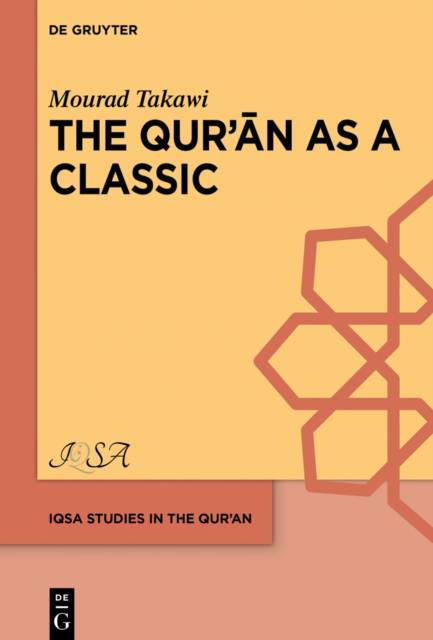
The Qurʾān as a Classic
Early Arabic Christian and Muslim Exegesis of the Qurʾān in the Interreligious Milieu, Eighth-Tenth Centuries CE
Mourad Takawi
€ 89,45
+ 178 punten
Omschrijving
This volume is a study in the history of the reception of the Qurʾān in the early Islamic centuries. It aims at taking scholarship beyond attempts at situating early qurʾānic exegesis within the confines of magisterial classical Tafsīr, and offers a systematic investigation of the early interpretations of select qurʾānic passages against the backdrop of the interreligious milieu of the growing Islamic Empire.
By incorporating writings on the Qurʾān across different genres, not only by Muslim authors, but also by Arabophone Christian writers, this study maps the exegetical trajectories of key qurʾānic passages in the early Islamic period, thereby providing historical context for classical Tafsīr works. Far from an imagined splendid isolation marred by occasional interreligious polemics, the picture we get is an exegetical feedback loop, with Christians relying on, as well as reacting to, Muslim data, and vice versa.
This study further argues that incorporating Arabic Christian readings of the Qurʾān inevitably enriches our understanding of the reception of the sacred text, and indeed helps us better capture the dynamism characteristic of the interreligious context of Qurʾān interpretation in the early Islamic centuries.
Specificaties
Betrokkenen
- Auteur(s):
- Uitgeverij:
Inhoud
- Aantal bladzijden:
- 280
- Taal:
- Engels
- Reeks:
- Reeksnummer:
- nr. 7
Eigenschappen
- Productcode (EAN):
- 9783110706734
- Verschijningsdatum:
- 15/12/2025
- Uitvoering:
- Hardcover
- Formaat:
- Genaaid
- Afmetingen:
- 156 mm x 234 mm
- Gewicht:
- 580 g


Alleen bij Standaard Boekhandel
+ 178 punten op je klantenkaart van Standaard Boekhandel
CADEAU

AANGERADEN


Beoordelingen
We publiceren alleen reviews die voldoen aan de voorwaarden voor reviews. Bekijk onze voorwaarden voor reviews.