


- Afhalen na 1 uur in een winkel met voorraad
- Gratis thuislevering in België vanaf € 30
- Ruim aanbod met 7 miljoen producten
- Afhalen na 1 uur in een winkel met voorraad
- Gratis thuislevering in België vanaf € 30
- Ruim aanbod met 7 miljoen producten





€ 76,68
+ 153 punten
Eenvoudig bestellen
Veilig betalen


Gratis thuislevering vanaf € 30 (via bpost)
Gratis levering in je Standaard Boekhandel
Omschrijving
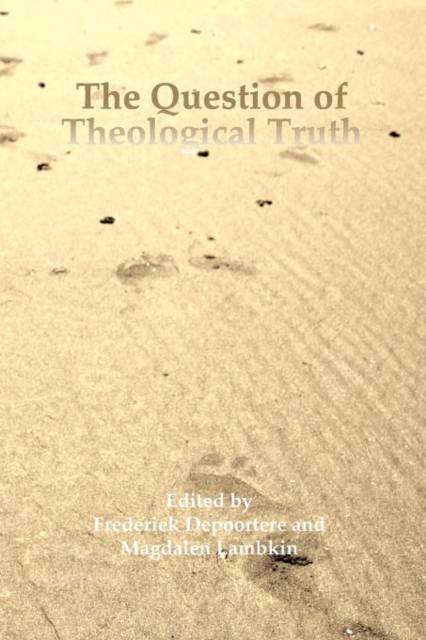
In today's world, the boundaries within which Christian theologians operate are becoming ever more permeable, and Christian theology is increasingly influenced and challenged by multiple "outside" factors. In Western Europe, two such factors stand out in particular: the so-called "turn to religion" in continental philosophy and religious diversity. Theologians working with contemporary continental philosophers and theologians engaging the multireligious world tend to work quite separately from one another. The aim of the present book is therefore to initiate a conversation between these two groups of theologians. The question of truth was chosen because it is both a key issue in contemporary-philosophical debates (in the continental and analytic traditions) and one that arises in complex and problematic ways in the praxis of, and theoretical reflection on, interreligious dialogue. Some of the pressing questions that are addressed by the contributors to this volume are: What is truth? What is theological truth? How does the issue of truth arise from interreligious encounter? To what extent can or should the nature of truth be discussed explicitly during interreligious dialogue? Or should the question of truth be rather postponed in the interest of successful interreligious encounter? Is there a hermeneutical concept of truth and, if so, how can it be of help for theological reflection on the question of truth and on the role and place of truth in the context of dialogue between religions?
Specificaties
Betrokkenen
- Auteur(s):
- Uitgeverij:
Inhoud
- Aantal bladzijden:
- 321
- Taal:
- Engels
- Reeks:
- Reeksnummer:
- nr. 46
Eigenschappen
- Productcode (EAN):
- 9789042035546
- Verschijningsdatum:
- 1/01/2012
- Uitvoering:
- Paperback
- Formaat:
- Trade paperback (VS)
- Afmetingen:
- 155 mm x 234 mm
- Gewicht:
- 458 g



Alleen bij Standaard Boekhandel
+ 153 punten op je klantenkaart van Standaard Boekhandel
CADEAU

AANGERADEN


Beoordelingen
We publiceren alleen reviews die voldoen aan de voorwaarden voor reviews. Bekijk onze voorwaarden voor reviews.