


- Afhalen na 1 uur in een winkel met voorraad
- Gratis thuislevering in België vanaf € 30
- Ruim aanbod met 7 miljoen producten
- Afhalen na 1 uur in een winkel met voorraad
- Gratis thuislevering in België vanaf € 30
- Ruim aanbod met 7 miljoen producten





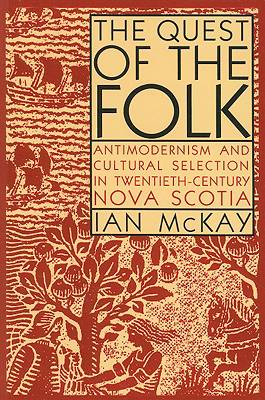
The Quest of the Folk, Cls Edition
Antimodernism and Cultural Selection in Twentieth-Century Nova Scotia
Ian McKay
€ 51,95
+ 103 punten
Omschrijving
The popular conception of Nova Scotians as a pure, simple, idyllic people is false, argues Ian McKay. In The Quest of the Folk he shows how the province's tourism industry and cultural producers manipulated and refashioned the cultural identity of the region and its people to project traditional folk values.
McKay offers an in-depth analysis of the infusion of a folk ideology into the art and literature of the region and the use of the idea of the "Simple Life" in tourism promotion. He examines how Nova Scotia's cultural history was rewritten to erase evidence of an urban, capitalist society, class and ethnic differences, and women's emancipation. In doing so he sheds new light on the roles of Helen Creighton, the Maritime region's most famous folklorist, and Mary Black, an influential handicrafts revivalist, in creating this false identity.Specificaties
Betrokkenen
- Auteur(s):
- Uitgeverij:
Inhoud
- Aantal bladzijden:
- 396
- Taal:
- Engels
- Reeks:
- Reeksnummer:
- nr. 212
Eigenschappen
- Productcode (EAN):
- 9780773535367
- Verschijningsdatum:
- 1/05/2009
- Uitvoering:
- Paperback
- Formaat:
- Trade paperback (VS)
- Afmetingen:
- 150 mm x 226 mm
- Gewicht:
- 566 g


Alleen bij Standaard Boekhandel
+ 103 punten op je klantenkaart van Standaard Boekhandel
Cadeau

AANGERADEN


Beoordelingen
We publiceren alleen reviews die voldoen aan de voorwaarden voor reviews. Bekijk onze voorwaarden voor reviews.