


- Afhalen na 1 uur in een winkel met voorraad
- Gratis thuislevering in België vanaf € 30
- Ruim aanbod met 7 miljoen producten
- Afhalen na 1 uur in een winkel met voorraad
- Gratis thuislevering in België vanaf € 30
- Ruim aanbod met 7 miljoen producten





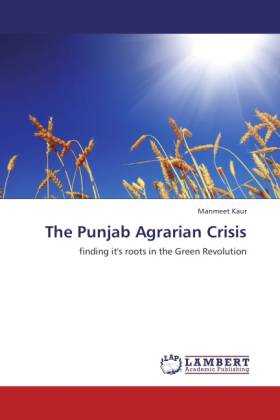
The Punjab Agrarian Crisis
finding it's roots in the Green Revolution
Manmeet Kaur
Paperback | Engels
€ 66,45
+ 132 punten
Omschrijving
In the late 1960 s India introduced agricultural innovations which came to be known as the Green Revolution in the State of Punjab to boost its yields; for the food security of the country. The next decade saw increased yields in wheat and rice. Punjab has been painted as the success story of the Green Revolution and used to set precedents. This work challenges this notion by unearthing the unsustainable aspects that have resulted in the present agrarian crisis. Contemporary Punjab is rife with ecological problems with various ramifications for the life in and around it; water shortage and pollution, soil degradation, health problems and economic indebtedness, to name a few. A case study of the Community Managed Sustainable Agriculture initiative by the State of Andhra Pradesh is presented as an alternative model to learn from. This research makes recommendations towards a more sovereign and sustainable food system in Punjab.
Specificaties
Betrokkenen
- Auteur(s):
- Uitgeverij:
Inhoud
- Aantal bladzijden:
- 68
- Taal:
- Engels
Eigenschappen
- Productcode (EAN):
- 9783845475356
- Verschijningsdatum:
- 12/09/2011
- Uitvoering:
- Paperback
- Afmetingen:
- 152 mm x 229 mm
- Gewicht:
- 113 g


Alleen bij Standaard Boekhandel
+ 132 punten op je klantenkaart van Standaard Boekhandel
Cadeau

AANGERADEN


Beoordelingen
We publiceren alleen reviews die voldoen aan de voorwaarden voor reviews. Bekijk onze voorwaarden voor reviews.