



Je cadeautjes zeker op tijd in huis hebben voor de feestdagen? Kom langs in onze winkels en vind het perfecte geschenk!
- Afhalen na 1 uur in een winkel met voorraad
- Gratis thuislevering in België vanaf € 30
- Ruim aanbod met 7 miljoen producten
Je cadeautjes zeker op tijd in huis hebben voor de feestdagen? Kom langs in onze winkels en vind het perfecte geschenk!
- Afhalen na 1 uur in een winkel met voorraad
- Gratis thuislevering in België vanaf € 30
- Ruim aanbod met 7 miljoen producten





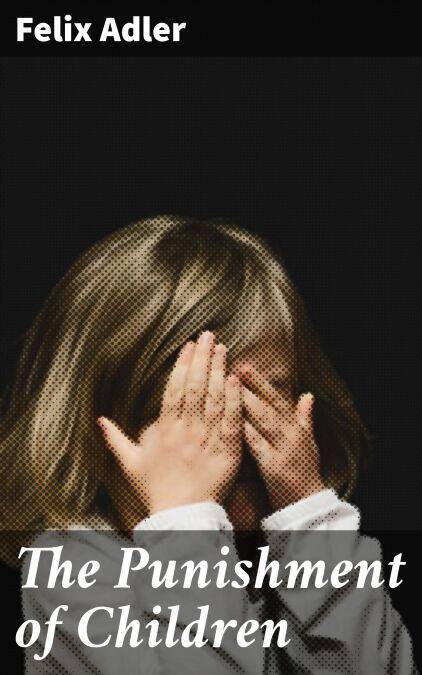
The Punishment of Children E-BOOK
Rethinking Discipline: A Philosophical Approach to Nurturing Children's Behavior
Felix Adler
E-book | Engels
€ 0,49
Omschrijving
In "The Punishment of Children," Felix Adler offers a profound exploration into the ethical implications and psychological ramifications of child discipline in a rapidly changing society. Through a blend of philosophical inquiry and sociological analysis, Adler critiques traditional punitive measures, advocating instead for a more empathetic and understanding approach to child-rearing. His literary style is both reflective and persuasive, drawing from contemporary educational theories and his keen observations of social morality to challenge the conventions of his time, effectively situating the discourse within the late 19th-century debates on parental authority and child welfare. Felix Adler, a prominent philosopher and educator, founded the Society for Ethical Culture in 1876, signaling his commitment to social reform and the betterment of human relationships. His progressive ideals are deeply rooted in the broader intellectual movement of his era, which sought to reconcile individual rights with societal obligations. Adler's own experiences and aspirations as an educator and social critic informed his writing, allowing him to approach the subject with both authority and compassion, as he keenly recognized the complexities of familial dynamics and moral education. This thought-provoking work is essential for educators, parents, and anyone engaged in issues of child development and ethics. Adler's insights challenge readers to reflect critically on their approaches to discipline and to consider the long-lasting effects of their choices on children's moral and emotional growth. "The Punishment of Children" is not merely a book about discipline; it is a call to foster a more humane and understanding society.
Specificaties
Betrokkenen
- Auteur(s):
- Uitgeverij:
Inhoud
- Aantal bladzijden:
- 31
- Taal:
- Engels
Eigenschappen
- Productcode (EAN):
- 4064066182342
- Verschijningsdatum:
- 11/12/2019
- Uitvoering:
- E-book
- Beveiligd met:
- Digital watermarking
- Formaat:
- ePub


Alleen bij Standaard Boekhandel
CADEAU


Beoordelingen
We publiceren alleen reviews die voldoen aan de voorwaarden voor reviews. Bekijk onze voorwaarden voor reviews.