



Bedankt voor het vertrouwen het afgelopen jaar! Om jou te bedanken bieden we GRATIS verzending (in België) aan op alles gedurende de hele maand januari.
- Afhalen na 1 uur in een winkel met voorraad
- In januari gratis thuislevering in België
- Ruim aanbod met 7 miljoen producten
Bedankt voor het vertrouwen het afgelopen jaar! Om jou te bedanken bieden we GRATIS verzending (in België) aan op alles gedurende de hele maand januari.
- Afhalen na 1 uur in een winkel met voorraad
- In januari gratis thuislevering in België
- Ruim aanbod met 7 miljoen producten





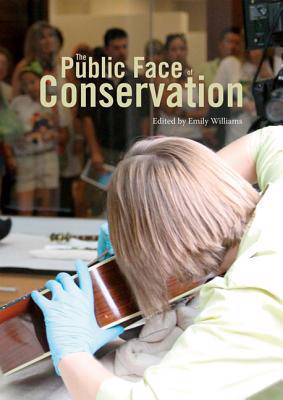
Omschrijving
Despite conservation's long history of outreach and the energy that is currently going into presenting the field to museum audiences and others, outreach remains underrepresented in the conservation literature. Conservators may increasingly be more comfortable talking to the public about what they do but, until recently, have been reluctant to talk amongst themselves about how to approach these interactions. This volume of papers presented at a conference (Playing to the Galleries and Engaging New Audiences: The Public Face of Conservation) in Williamsburg, Virginia, confronts the issues which arise when conservators find themselves asked to present their efforts not only through traditional means (exhibits, lectures, behind-the-scenes tours etc.) but also via blogs, podcasts, video learning and other emerging technologies.
Specificaties
Betrokkenen
- Uitgeverij:
Inhoud
- Aantal bladzijden:
- 304
- Taal:
- Engels
Eigenschappen
- Productcode (EAN):
- 9781904982166
- Verschijningsdatum:
- 1/11/2013
- Uitvoering:
- Paperback
- Formaat:
- Trade paperback (VS)
- Afmetingen:
- 208 mm x 295 mm
- Gewicht:
- 1133 g

Alleen bij Standaard Boekhandel
+ 374 punten op je klantenkaart van Standaard Boekhandel
SOLDEN


Beoordelingen
We publiceren alleen reviews die voldoen aan de voorwaarden voor reviews. Bekijk onze voorwaarden voor reviews.