



Bedankt voor het vertrouwen het afgelopen jaar! Om jou te bedanken bieden we GRATIS verzending (in België) aan op alles gedurende de hele maand januari.
- Afhalen na 1 uur in een winkel met voorraad
- In januari gratis thuislevering in België
- Ruim aanbod met 7 miljoen producten
Bedankt voor het vertrouwen het afgelopen jaar! Om jou te bedanken bieden we GRATIS verzending (in België) aan op alles gedurende de hele maand januari.
- Afhalen na 1 uur in een winkel met voorraad
- In januari gratis thuislevering in België
- Ruim aanbod met 7 miljoen producten





Omschrijving
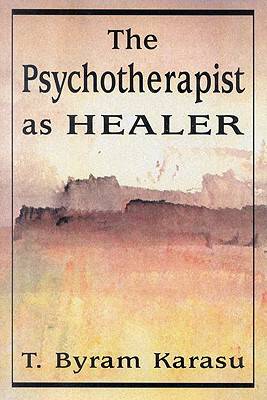
T. Byram Karasu says that healing, at best, is not what the healer does, but what he is; that what really matters are not the schools of psychotherapy, but the psychotherapists themselves. In this deeply moving and self-revealing book, Karasu portrays the therapist as healer through a series of clinical vignettes from the treatment of a younger therapist whom the author perceives to be more intelligent, talented, and better educated than himself. This patient, a veteran of a classical analysis and two lengthy therapies, challenges the therapist at every turn and engages him in a search for new experiential truths. The reader is privy to the internal monologue of the therapist as he conceives of and rejects interpretations, looks to varied experts for help, and ends with an inner voice not heard before.
Specificaties
Betrokkenen
- Auteur(s):
- Uitgeverij:
Inhoud
- Aantal bladzijden:
- 330
- Taal:
- Engels
Eigenschappen
- Productcode (EAN):
- 9780765703026
- Verschijningsdatum:
- 1/07/2001
- Uitvoering:
- Paperback
- Formaat:
- Trade paperback (VS)
- Afmetingen:
- 162 mm x 234 mm
- Gewicht:
- 693 g


Alleen bij Standaard Boekhandel
+ 415 punten op je klantenkaart van Standaard Boekhandel
SOLDEN


Beoordelingen
We publiceren alleen reviews die voldoen aan de voorwaarden voor reviews. Bekijk onze voorwaarden voor reviews.