


- Afhalen na 1 uur in een winkel met voorraad
- Gratis thuislevering in België vanaf € 30
- Ruim aanbod met 7 miljoen producten
- Afhalen na 1 uur in een winkel met voorraad
- Gratis thuislevering in België vanaf € 30
- Ruim aanbod met 7 miljoen producten





€ 101,95
+ 203 punten
Uitvoering
Omschrijving
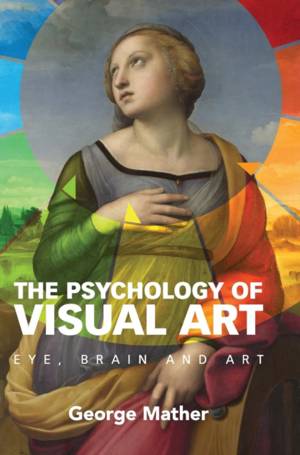
What can art tell us about how the brain works? And what can the brain tell us about how we perceive and create art? Humans have created visual art throughout history and its significance has been an endless source of fascination and debate. Visual art is a product of the human brain, but is art so complex and sophisticated that brain function and evolution are not relevant to our understanding? This book explores the links between visual art and the brain by examining a broad range of issues including: the impact of eye and brain disorders on artistic output; the relevance of Darwinian principles to aesthetics; and the constraints imposed by brain processes on the perception of space, motion and colour in art. Arguments and theories are presented in an accessible manner and general principles are illustrated with specific art examples, helping students to apply their knowledge to new artworks.
Specificaties
Betrokkenen
- Auteur(s):
- Uitgeverij:
Inhoud
- Aantal bladzijden:
- 211
- Taal:
- Engels
Eigenschappen
- Productcode (EAN):
- 9781107005983
- Verschijningsdatum:
- 24/10/2013
- Uitvoering:
- Hardcover
- Formaat:
- Genaaid
- Afmetingen:
- 180 mm x 249 mm
- Gewicht:
- 725 g


Alleen bij Standaard Boekhandel
+ 203 punten op je klantenkaart van Standaard Boekhandel
Cadeau

AANGERADEN


Beoordelingen
We publiceren alleen reviews die voldoen aan de voorwaarden voor reviews. Bekijk onze voorwaarden voor reviews.