


- Afhalen na 1 uur in een winkel met voorraad
- Gratis thuislevering in België vanaf € 30
- Ruim aanbod met 7 miljoen producten
- Afhalen na 1 uur in een winkel met voorraad
- Gratis thuislevering in België vanaf € 30
- Ruim aanbod met 7 miljoen producten





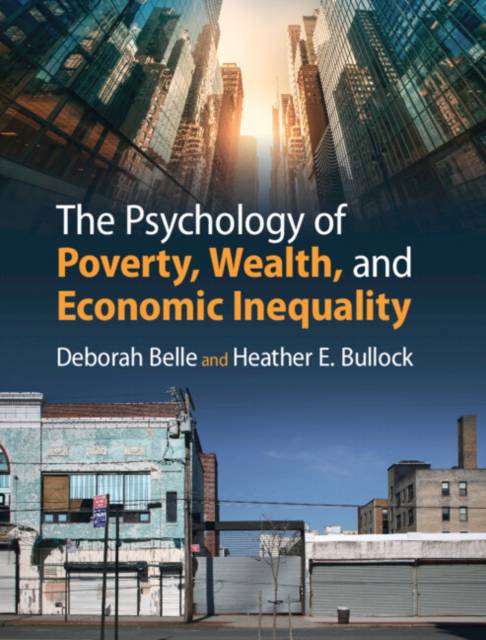
The Psychology of Poverty, Wealth, and Economic Inequality
Deborah Belle, Heather E Bullock
Hardcover | Engels
€ 214,45
+ 428 punten
Uitvoering
Omschrijving
Economic inequality is a defining issue of our time, with a handful of individuals in the United States today owning more wealth than half the population in the country. What are the psychological consequences of living in a profoundly unequal society? This comprehensive textbook is among the first to examine poverty, wealth, and economic inequality from a psychological perspective. Written by two leading scholars in the field, it provides an intersectional analysis of the impact of economic inequality on cognitive, emotional, interpersonal, intergroup, physiological, and health outcomes. Students are introduced to the diverse methods used to study poverty, wealth, and economic inequality and the strengths and weaknesses of various approaches, while the text focuses on solutions at the individual, community, and national levels to restore optimism and encourage action. Chapter features include exercises and reflection questions that help students think critically about the implications of research findings for their own lives.
Specificaties
Betrokkenen
- Auteur(s):
- Uitgeverij:
Inhoud
- Aantal bladzijden:
- 391
- Taal:
- Engels
Eigenschappen
- Productcode (EAN):
- 9781108486149
- Verschijningsdatum:
- 5/01/2023
- Uitvoering:
- Hardcover
- Formaat:
- Genaaid
- Afmetingen:
- 182 mm x 240 mm
- Gewicht:
- 975 g


Alleen bij Standaard Boekhandel
+ 428 punten op je klantenkaart van Standaard Boekhandel
Cadeau

AANGERADEN


Beoordelingen
We publiceren alleen reviews die voldoen aan de voorwaarden voor reviews. Bekijk onze voorwaarden voor reviews.