


- Afhalen na 1 uur in een winkel met voorraad
- Gratis thuislevering in België vanaf € 30
- Ruim aanbod met 7 miljoen producten
- Afhalen na 1 uur in een winkel met voorraad
- Gratis thuislevering in België vanaf € 30
- Ruim aanbod met 7 miljoen producten





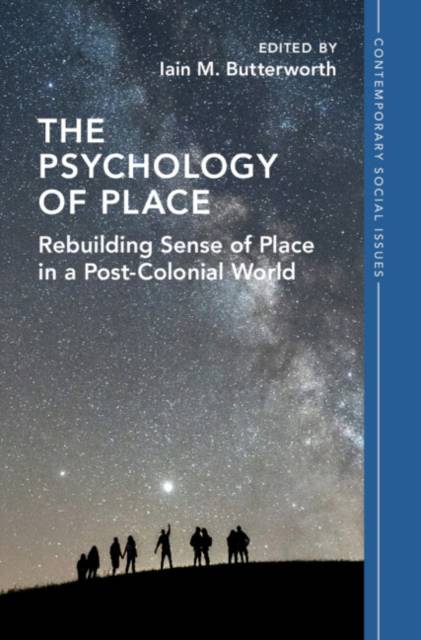
The Psychology of Place
Rebuilding Sense of Place in a Post-Colonial World
€ 121,95
+ 243 punten
Omschrijving
By combining research with Indigenous knowledge, this unique book shows how our 'sense of place' shapes identity, belonging, health, and community. It explores how reconnecting people with place can help humanity face today's greatest challenges: from climate change and urban alienation to cultural dislocation and decolonisation. Across 16 chapters, experts in psychology, Indigenous studies, law, and urban planning present rich global case studies - from Indigenous Australian concepts of Country and rebuilding Ōtautahi Christchurch, to Iranian migrant experiences in Melbourne and young people's influence on neighbourhood development in Nashville. These stories highlight how Indigenous governance, urban design, public health, and community psychology can work together to foster more inclusive and sustainable futures. Written in accessible language, this edited volume is for readers who care about community, environment, and justice. It will resonate with students, researchers, policymakers, and anyone seeking hope and practical pathways for rebuilding human-place relationships in the Anthropocene.
Specificaties
Betrokkenen
- Uitgeverij:
Inhoud
- Aantal bladzijden:
- 284
- Taal:
- Engels
- Reeks:
Eigenschappen
- Productcode (EAN):
- 9781009473767
- Verschijningsdatum:
- 31/05/2026
- Uitvoering:
- Hardcover
- Formaat:
- Genaaid

Alleen bij Standaard Boekhandel
+ 243 punten op je klantenkaart van Standaard Boekhandel
Cadeau

AANGERADEN


Beoordelingen
We publiceren alleen reviews die voldoen aan de voorwaarden voor reviews. Bekijk onze voorwaarden voor reviews.