


- Afhalen na 1 uur in een winkel met voorraad
- Gratis thuislevering in België vanaf € 30
- Ruim aanbod met 7 miljoen producten
- Afhalen na 1 uur in een winkel met voorraad
- Gratis thuislevering in België vanaf € 30
- Ruim aanbod met 7 miljoen producten





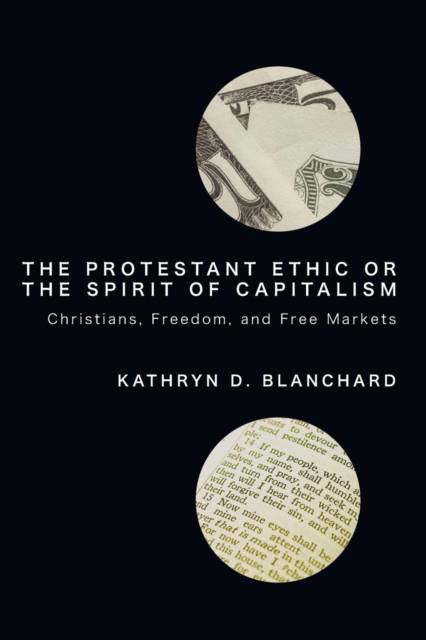
The Protestant Ethic or the Spirit of Capitalism
Christians, Freedom, and Free Markets
Kathryn D Blanchard
Paperback | Engels
€ 45,95
+ 91 punten
Uitvoering
Omschrijving
Since the publication of Max Weber's classic, The Protestant Ethic and the Spirit of Capitalism, it has long been assumed that a distinctly Protestant ethos has shaped the current global economic order. Against this common consensus, Kathryn D. Blanchard argues that the theological thought of John Calvin and the Protestant movement as a whole has much to say that challenges the current incarnation of the capitalist order. This book develops an approach to Christian economic ethics that celebrates God's gift of human freedom, while at the same time acknowledging necessary, and indeed vital, limitations in the context of material and social life. Through sustained interaction with such unlikely dialogue partners as Adam Smith, Milton Friedman, Deirdre McCloskey, and Muhammad Yunus, this book shows that the virtues of self-denial, neighbor love, and sympathy have been quite at home in the capitalism of the past, and can be again. Though self-interest has enjoyed several decades as the unquestioned ruling principle of American economics, other-interest is steadily coming back into view, not only among Christian ethicists, but among economists as well. This book explores the important implications of this shift in economic thinking from a theological perspective.
Specificaties
Betrokkenen
- Auteur(s):
- Uitgeverij:
Inhoud
- Aantal bladzijden:
- 262
- Taal:
- Engels
Eigenschappen
- Productcode (EAN):
- 9781606086599
- Verschijningsdatum:
- 6/07/2010
- Uitvoering:
- Paperback
- Formaat:
- Trade paperback (VS)
- Afmetingen:
- 152 mm x 226 mm
- Gewicht:
- 358 g



Alleen bij Standaard Boekhandel
+ 91 punten op je klantenkaart van Standaard Boekhandel

Beoordelingen
We publiceren alleen reviews die voldoen aan de voorwaarden voor reviews. Bekijk onze voorwaarden voor reviews.