


- Afhalen na 1 uur in een winkel met voorraad
- Gratis thuislevering in België vanaf € 30
- Ruim aanbod met 7 miljoen producten
- Afhalen na 1 uur in een winkel met voorraad
- Gratis thuislevering in België vanaf € 30
- Ruim aanbod met 7 miljoen producten





€ 305,45
+ 610 punten
Omschrijving
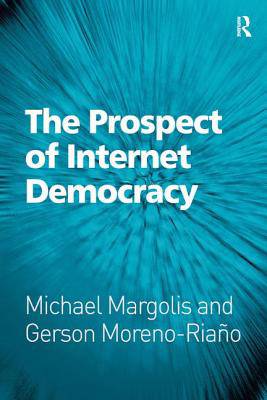
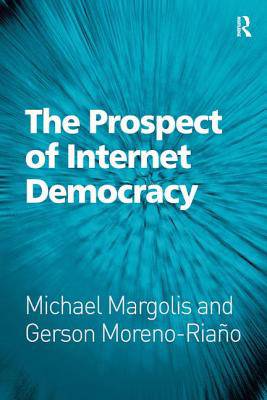
The internet opens up new opportunities for citizens to organize and mobilize for action but it also provides new channels that established political, social and economic interests can use to extend their powers. Will the internet revolutionize politics? The Prospect of Internet Democracy is a rich and detailed exploration of the theoretical implications of the internet and related information and communication technologies (ICTs) for democratic theory. Focusing in particular on how political uses of the internet have affected or seem likely to affect patterns of influence among citizens, interest groups and political institutions, the authors examine whether the internet's impact on democratic politics is destined to repeat the history of other innovative ICTs. The volume explores the likely long-term effects of such uses on the conduct of politics in the USA and other nations that declare themselves modern democracies and assesses the extent to which they help or hinder viable democratic governance.
Specificaties
Betrokkenen
- Auteur(s):
- Uitgeverij:
Inhoud
- Aantal bladzijden:
- 200
- Taal:
- Engels
Eigenschappen
- Productcode (EAN):
- 9780754675143
- Verschijningsdatum:
- 17/09/2009
- Uitvoering:
- Hardcover
- Formaat:
- Genaaid
- Afmetingen:
- 156 mm x 234 mm
- Gewicht:
- 462 g


Alleen bij Standaard Boekhandel
+ 610 punten op je klantenkaart van Standaard Boekhandel
CADEAU

AANGERADEN


Beoordelingen
We publiceren alleen reviews die voldoen aan de voorwaarden voor reviews. Bekijk onze voorwaarden voor reviews.