


- Afhalen na 1 uur in een winkel met voorraad
- Gratis thuislevering in België vanaf € 30
- Ruim aanbod met 7 miljoen producten
- Afhalen na 1 uur in een winkel met voorraad
- Gratis thuislevering in België vanaf € 30
- Ruim aanbod met 7 miljoen producten





€ 44,95
+ 89 punten
Uitvoering
Omschrijving
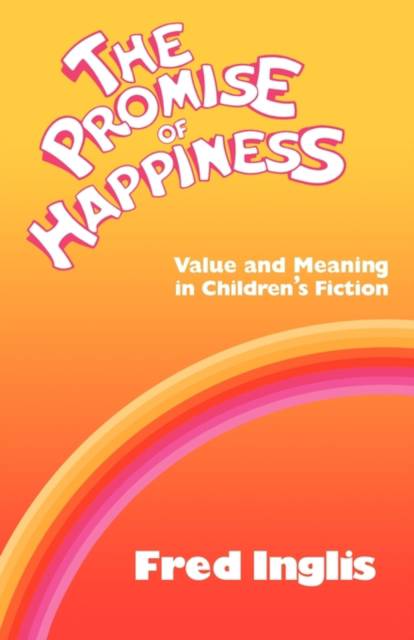
Originally published in paperback in 1982, this book was written in answer to the question 'which books should our children read, and why?' It is a study of what is, in the author's opinion, the best children's fiction of the previous hundred years, and at the same time a study of the social values which that fiction celebrates and criticises. Fred Inglis concentrates on stories for children aged between nine and thirteen; he contrasts the kinds of delight and profit to be gained from classics ancient and modern, from the novels of Dickens and Lewis Carroll via those of Arthur Ransome and Tolkien to William Mayne, Ursula Leguin, Russell Hoban and Philippa Pearce, situating these books in the social context from which they came and relating them to the audience of adults who are expected to write, publish, judge and choose books for their children.
Specificaties
Betrokkenen
- Auteur(s):
- Uitgeverij:
Inhoud
- Aantal bladzijden:
- 348
- Taal:
- Engels
Eigenschappen
- Productcode (EAN):
- 9780521270700
- Verschijningsdatum:
- 23/09/1982
- Uitvoering:
- Paperback
- Formaat:
- Trade paperback (VS)
- Afmetingen:
- 140 mm x 216 mm
- Gewicht:
- 439 g


Alleen bij Standaard Boekhandel
+ 89 punten op je klantenkaart van Standaard Boekhandel
Cadeau

AANGERADEN


Beoordelingen
We publiceren alleen reviews die voldoen aan de voorwaarden voor reviews. Bekijk onze voorwaarden voor reviews.