


- Afhalen na 1 uur in een winkel met voorraad
- Gratis thuislevering in België vanaf € 30
- Ruim aanbod met 7 miljoen producten
- Afhalen na 1 uur in een winkel met voorraad
- Gratis thuislevering in België vanaf € 30
- Ruim aanbod met 7 miljoen producten





€ 63,95
+ 127 punten
Omschrijving
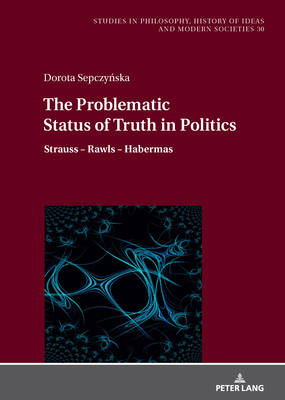
This is the first attempt in Poland to describe the problem of the place and role of truth in politics. The author expounds her own typology of philosophical contexts in which she clarifies the so far entangled understanding of the relationship between truth and politics (ontological, epistemological, axiological) and distinguishes the main models of the axiological route for understanding the status of truth in politics (the separation of truth and politics, the strong status of truth in politics, the weak status of truth in politics, which embrace the problematic status of truth in politics). At the center of her considerations are the theories of Leo Strauss, John Rawls, and Jürgen Habermas. Exploratory analyses and surprising interpretations make the book both an indispensable aid to university education and an important voice in the discussion of truth in politics, post-truth and populism. The book is useful for researchers in fields related to politics, including philosophy, political science and sociology.
Specificaties
Betrokkenen
- Auteur(s):
- Uitgeverij:
Inhoud
- Aantal bladzijden:
- 426
- Taal:
- Engels
- Reeks:
- Reeksnummer:
- nr. 30
Eigenschappen
- Productcode (EAN):
- 9783631913703
- Verschijningsdatum:
- 31/03/2026
- Uitvoering:
- Hardcover
- Formaat:
- Genaaid
- Afmetingen:
- 148 mm x 210 mm
- Gewicht:
- 657 g


Alleen bij Standaard Boekhandel
+ 127 punten op je klantenkaart van Standaard Boekhandel
Cadeau

AANGERADEN


Beoordelingen
We publiceren alleen reviews die voldoen aan de voorwaarden voor reviews. Bekijk onze voorwaarden voor reviews.