


- Afhalen na 1 uur in een winkel met voorraad
- Gratis thuislevering in België vanaf € 30
- Ruim aanbod met 7 miljoen producten
- Afhalen na 1 uur in een winkel met voorraad
- Gratis thuislevering in België vanaf € 30
- Ruim aanbod met 7 miljoen producten





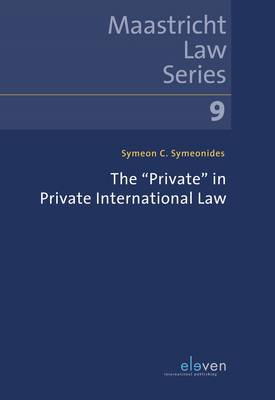
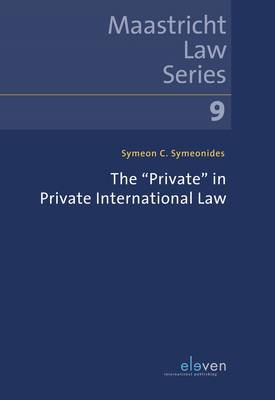
The "Private" in Private International Law
Symeon C Symeonides
€ 44,95
+ 89 punten
Omschrijving
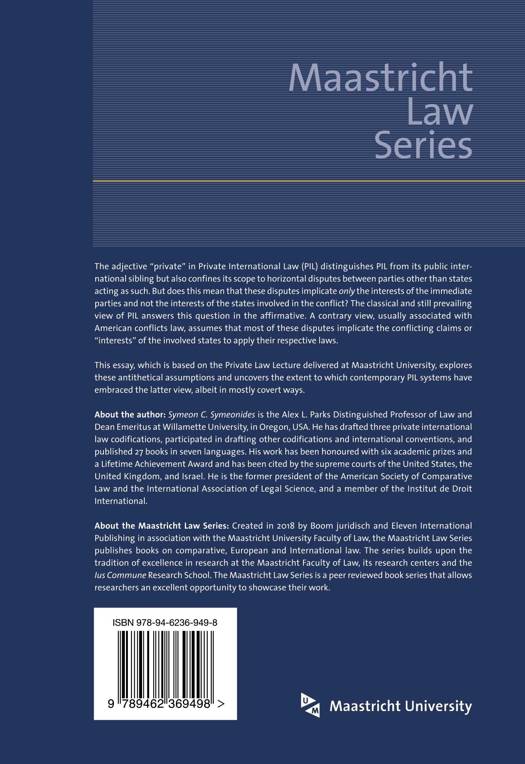
The adjective "private" in Private International Law (PIL) distinguishes PIL from its public international sibling but also confines its scope to horizontal disputes between parties other than states acting as such. But does this mean that these disputes implicate only the interests of the immediate parties and not the interests of the states involved in the conflict? The classical and still prevailing view of PIL answers this question in the affirmative. A contrary view, usually associated with American conflicts law, assumes that most of these disputes implicate the conflicting claims or "interests" of the involved states to apply their respective laws. This essay, which is based on the Private Law Lecture delivered at Maastricht University, explores these antithetical assumptions and uncovers the extent to which contemporary PIL systems have embraced the latter view, albeit in mostly covert ways.
Specificaties
Betrokkenen
- Auteur(s):
- Uitgeverij:
Inhoud
- Aantal bladzijden:
- 40
- Taal:
- Engels
- Reeks:
- Reeksnummer:
- nr. 9
Eigenschappen
- Productcode (EAN):
- 9789462369498
- Verschijningsdatum:
- 23/05/2019
- Uitvoering:
- Paperback
- Formaat:
- Trade paperback (VS)
- Afmetingen:
- 170 mm x 244 mm
- Gewicht:
- 82 g


Alleen bij Standaard Boekhandel
+ 89 punten op je klantenkaart van Standaard Boekhandel
Cadeau

AANGERADEN


Beoordelingen
We publiceren alleen reviews die voldoen aan de voorwaarden voor reviews. Bekijk onze voorwaarden voor reviews.