



- Afhalen na 1 uur in een winkel met voorraad
- In januari gratis thuislevering in België
- Ruim aanbod met 7 miljoen producten
- Afhalen na 1 uur in een winkel met voorraad
- In januari gratis thuislevering in België
- Ruim aanbod met 7 miljoen producten





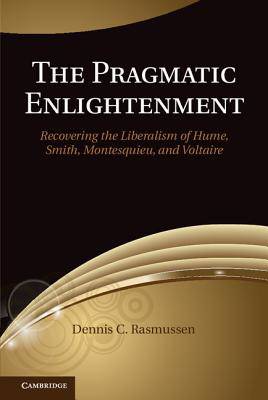
The Pragmatic Enlightenment
Recovering the Liberalism of Hume, Smith, Montesquieu, and Voltaire
Dennis C Rasmussen
Hardcover | Engels
€ 135,45
+ 270 punten
Uitvoering
Omschrijving
This is a study of the political theory of the Enlightenment, focusing on four leading eighteenth-century thinkers: David Hume, Adam Smith, Montesquieu, and Voltaire. Dennis C. Rasmussen calls attention to the particular strand of the Enlightenment these thinkers represent, which he terms the "pragmatic Enlightenment." He defends this strand of Enlightenment thought against both the Enlightenment's critics and some of the more idealistic Enlightenment figures who tend to have more followers today, such as John Locke, Immanuel Kant, and Jeremy Bentham. Professor Rasmussen argues that Hume, Smith, Montesquieu, and Voltaire exemplify an especially attractive type of liberalism, one that is more realistic, moderate, flexible, and contextually sensitive than most other branches of this tradition.
Specificaties
Betrokkenen
- Auteur(s):
- Uitgeverij:
Inhoud
- Aantal bladzijden:
- 357
- Taal:
- Engels
Eigenschappen
- Productcode (EAN):
- 9781107045002
- Verschijningsdatum:
- 18/11/2013
- Uitvoering:
- Hardcover
- Formaat:
- Genaaid
- Afmetingen:
- 160 mm x 231 mm
- Gewicht:
- 589 g
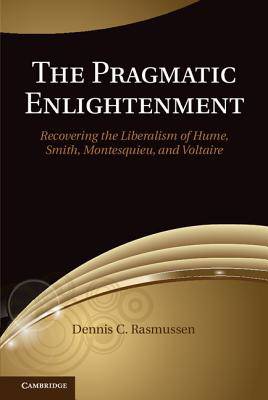


Alleen bij Standaard Boekhandel
+ 270 punten op je klantenkaart van Standaard Boekhandel
Cadeau

AANGERADEN


Beoordelingen
We publiceren alleen reviews die voldoen aan de voorwaarden voor reviews. Bekijk onze voorwaarden voor reviews.