


- Afhalen na 1 uur in een winkel met voorraad
- Gratis thuislevering in België vanaf € 30
- Ruim aanbod met 7 miljoen producten
- Afhalen na 1 uur in een winkel met voorraad
- Gratis thuislevering in België vanaf € 30
- Ruim aanbod met 7 miljoen producten





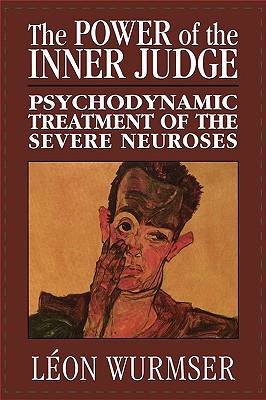
The Power of the Inner Judge
Psychodynamic Treatment of the Severe Neuroses
Léon Wurmser
Hardcover | Engels
€ 254,45
+ 508 punten
Omschrijving
This book describes in detail how to effectively treat severely ill but not psychotic patients, by careful psychotherapeutic work on the defenses and the superego. Diverging widely from Kernberg's and Kohut's work with the same broad spectrum of patients, Léon Wurmser demonstrates his flexible and individualized method with clinical material taken directly from actual patient-therapist interaction. The core of the therapeutic work focuses on trauma; forms of defense; conflicts within the superego; and the related affects of guilt, shame, depression, and resentment. Appreciating the complex and individual nature of each case, the author uses the familiar concepts of masochism, aggression, narcissism, and repetition compulsion as descriptions, not explanations, of clinical observations. There are no shortcuts; a genuine understanding that results in real change for the patient requires an in-depth exploration of the material in a nonjudgmental atmosphere. Observing that categories, while necessary, tend to be slowly transformed into words of devaluation, Dr. Wurmser addresses the implicit, and often quite explicit, judgmental spirit directed toward severely ill patients, and cautions clinicians to avoid falling into the role of a judging authority. This is an eloquent accounting of a master therapist's successes and failures, valuable especially for offering effective and decisive interventions in treating traditionally untreatable patients.
Specificaties
Betrokkenen
- Auteur(s):
- Uitgeverij:
Inhoud
- Aantal bladzijden:
- 356
- Taal:
- Engels
Eigenschappen
- Productcode (EAN):
- 9780765701770
- Verschijningsdatum:
- 1/03/2000
- Uitvoering:
- Hardcover
- Formaat:
- Genaaid
- Afmetingen:
- 161 mm x 236 mm
- Gewicht:
- 712 g


Alleen bij Standaard Boekhandel
+ 508 punten op je klantenkaart van Standaard Boekhandel
AANGERADEN


Beoordelingen
We publiceren alleen reviews die voldoen aan de voorwaarden voor reviews. Bekijk onze voorwaarden voor reviews.