


- Afhalen na 1 uur in een winkel met voorraad
- Gratis thuislevering in België vanaf € 30
- Ruim aanbod met 7 miljoen producten
- Afhalen na 1 uur in een winkel met voorraad
- Gratis thuislevering in België vanaf € 30
- Ruim aanbod met 7 miljoen producten





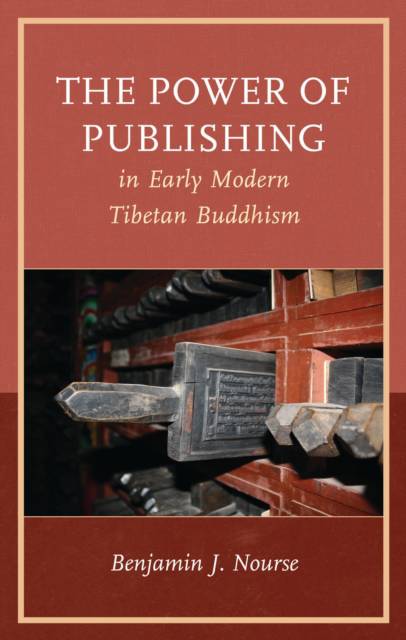
The Power of Publishing in Early Modern Tibetan Buddhism
Benjamin J Nourse
€ 175,95
+ 351 punten
Omschrijving
The Power of Publishing in Early Modern Tibetan Buddhism explores the historical and religious dynamics that led to the "golden age" of Tibetan printing in the late seventeenth and eighteenth centuries, when Tibetan woodblock publishing reached its zenith. By tracing the publication and circulation of Tibetan books in early modern Asia, from the Fifth Dalai Lama's Potala Palace in Lhasa, through cosmopolitan Qing Beijing, and into monastic colleges on the Sino-Tibetan borderlands, this book demonstrates how woodblock publishing helped shape the religious and political landscapes of Tibet, Mongolia, and China into the twentieth century. Intertwined with this larger historical narrative, this volume explores the meaning and purpose of books in early modern Tibetan Buddhist cultures, especially the role of Mahayana Buddhist ideas as a driving force behind both the growth of woodblock publishing at that time and the use of Tibetan Buddhist books for a variety of activities, including scholarship, exchange, ritual, and a wide range of reading practices.
Specificaties
Betrokkenen
- Auteur(s):
- Uitgeverij:
Inhoud
- Aantal bladzijden:
- 286
- Taal:
- Engels
- Reeks:
Eigenschappen
- Productcode (EAN):
- 9781666958003
- Verschijningsdatum:
- 19/02/2025
- Uitvoering:
- Hardcover
- Formaat:
- Genaaid
- Afmetingen:
- 152 mm x 229 mm
- Gewicht:
- 544 g


Alleen bij Standaard Boekhandel
+ 351 punten op je klantenkaart van Standaard Boekhandel
Cadeau

AANGERADEN


Beoordelingen
We publiceren alleen reviews die voldoen aan de voorwaarden voor reviews. Bekijk onze voorwaarden voor reviews.