


- Afhalen na 1 uur in een winkel met voorraad
- Gratis thuislevering in België vanaf € 30
- Ruim aanbod met 7 miljoen producten
- Afhalen na 1 uur in een winkel met voorraad
- Gratis thuislevering in België vanaf € 30
- Ruim aanbod met 7 miljoen producten





€ 15,02
+ 15 punten
Uitvoering
Omschrijving
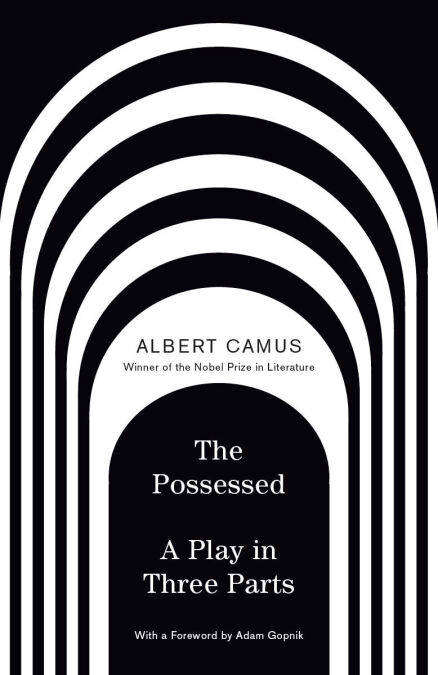
The Nobel Prize–winning author here adapts Dostoyevsky’s masterpiece for the stage—a rousing invective against nihilism that brings together two of the great literary minds of the last two centuries
When Albert Camus first read Dostoevsky as a twenty-year-old philosophy student, it was, he said, a “soul-shaking experience.” The Possessed, with its disdain for nihilism, became a lifelong touchstone; “for almost twenty years,” he writes in the foreword to this adaptation, “I have visualized its characters on the stage.” The enigmatic Stavrogin, the gentle Shatov, and the God-haunted Kirilov are here reinvigorated by Camus’s own moral conviction. Drawing on hundreds of pages from Dostoevsky’s notebooks, he sought to preserve the “thread of suffering and affection that makes Dostoevsky’s universe so close to each of us.”
The last finished work before Camus’s death, The Possessed premiered in 1959—with Camus himself directing. The play ran for four hours, with thirty-three actors and seven sets, and was an artistic and technical triumph. More than six decades later, its themes of political violence and ideological extremism are no less potent. As Adam Gopnik concludes in a new introduction: “A play written as a summation of the madness of the middle of the twentieth century, The Possessed remains a warning to the first quarter of our own.”
When Albert Camus first read Dostoevsky as a twenty-year-old philosophy student, it was, he said, a “soul-shaking experience.” The Possessed, with its disdain for nihilism, became a lifelong touchstone; “for almost twenty years,” he writes in the foreword to this adaptation, “I have visualized its characters on the stage.” The enigmatic Stavrogin, the gentle Shatov, and the God-haunted Kirilov are here reinvigorated by Camus’s own moral conviction. Drawing on hundreds of pages from Dostoevsky’s notebooks, he sought to preserve the “thread of suffering and affection that makes Dostoevsky’s universe so close to each of us.”
The last finished work before Camus’s death, The Possessed premiered in 1959—with Camus himself directing. The play ran for four hours, with thirty-three actors and seven sets, and was an artistic and technical triumph. More than six decades later, its themes of political violence and ideological extremism are no less potent. As Adam Gopnik concludes in a new introduction: “A play written as a summation of the madness of the middle of the twentieth century, The Possessed remains a warning to the first quarter of our own.”
Specificaties
Betrokkenen
- Auteur(s):
- Vertaler(s):
- Uitgeverij:
Inhoud
- Aantal bladzijden:
- 224
- Taal:
- Engels
Eigenschappen
- Productcode (EAN):
- 9798217008209
- Verschijningsdatum:
- 20/04/2026
- Uitvoering:
- E-book
- Beveiligd met:
- Adobe DRM
- Formaat:
- ePub


Alleen bij Standaard Boekhandel
+ 15 punten op je klantenkaart van Standaard Boekhandel
Cadeau

AANGERADEN


Beoordelingen
We publiceren alleen reviews die voldoen aan de voorwaarden voor reviews. Bekijk onze voorwaarden voor reviews.