



Bedankt voor het vertrouwen het afgelopen jaar! Om jou te bedanken bieden we GRATIS verzending (in België) aan op alles gedurende de hele maand januari.
- Afhalen na 1 uur in een winkel met voorraad
- In januari gratis thuislevering in België
- Ruim aanbod met 7 miljoen producten
Bedankt voor het vertrouwen het afgelopen jaar! Om jou te bedanken bieden we GRATIS verzending (in België) aan op alles gedurende de hele maand januari.
- Afhalen na 1 uur in een winkel met voorraad
- In januari gratis thuislevering in België
- Ruim aanbod met 7 miljoen producten





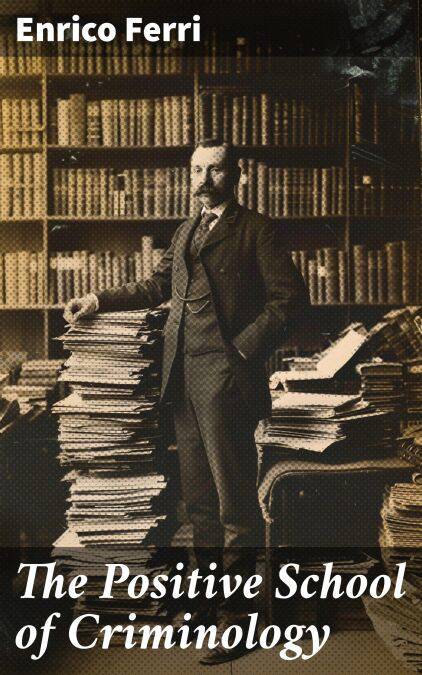
The Positive School of Criminology E-BOOK
Exploring the Intersection of Biology, Psychology, and Society in Criminal Behavior
Enrico Ferri
E-book | Engels
€ 1,99
+ 1 punten
Uitvoering
Omschrijving
In "The Positive School of Criminology," Enrico Ferri explores the intersection of sociology and criminal justice, arguing for a scientific approach to understanding criminal behavior. Within the literary context of late 19th-century positivism, Ferri's work reflects a departure from purely philosophical interpretations of crime, embracing empirical methodologies and social sciences to elucidate the factors influencing criminality. His rigorous analysis of environmental influences, biological predispositions, and psychological elements provides a pioneering framework that aligns with contemporary criminological discourse, challenging prevailing legalistic views of punishment and deterrence. Enrico Ferri, a prominent figure in Italian criminology, was greatly influenced by the socio-political landscape of his time. As a student of Cesare Lombroso, Ferri's dedication to empirical research informed his belief that criminal behavior is determined by a complex interplay of social and biological variables. His broader interest in social reform and public welfare underpins the urgency of his arguments, advocating for a justice system that addresses root causes rather than solely punishing offenders. Ferri's "The Positive School of Criminology" is essential reading for anyone seeking to comprehend the evolution of criminological thought. By situating crime within its broader social context, this text not only enriches our understanding of criminal behavior but also calls for a transformative approach to justice that resonates in contemporary discussions about rehabilitation and prevention.
Specificaties
Betrokkenen
- Auteur(s):
- Uitgeverij:
Inhoud
- Aantal bladzijden:
- 62
- Taal:
- Engels
Eigenschappen
- Productcode (EAN):
- 8596547506140
- Verschijningsdatum:
- 11/08/2023
- Uitvoering:
- E-book
- Beveiligd met:
- Digital watermarking
- Formaat:
- ePub



Alleen bij Standaard Boekhandel
+ 1 punten op je klantenkaart van Standaard Boekhandel
SOLDEN


Beoordelingen
We publiceren alleen reviews die voldoen aan de voorwaarden voor reviews. Bekijk onze voorwaarden voor reviews.