


- Afhalen na 1 uur in een winkel met voorraad
- Gratis thuislevering in België vanaf € 30
- Ruim aanbod met 7 miljoen producten
- Afhalen na 1 uur in een winkel met voorraad
- Gratis thuislevering in België vanaf € 30
- Ruim aanbod met 7 miljoen producten





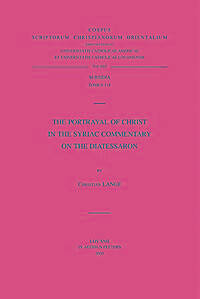
The Portrayal of Christ in the Syriac Commentary on the Diatessaron
C Lange
€ 73,00
+ 146 punten
Omschrijving
For a long time the Diatessaron has drawn the interest of modern scholars. Some of the problems related to the Syriac Harmony of the Gospels have been solved. Others still remain in dispute. The Syriac Commentary on the Diatessaron, attributed to Ephraem (306-373), is one of the most important witnesses to the wording of the Harmony. Unfortunately, most of the surviving Syriac folios of the text have been discovered only recently. Consequently, no detailed study on the Commentary has been undertaken yet. It is the aim of this study to present this scholarly demand. This Oxford dissertation deals with the questions of the difficult process of the Commentary's transmission and analyses both the Trinitarian and Christological understanding of its author. By way of a comparison with the "genuine" Ephraem, this study argues that the Commentary in its present form is a compilation from the hand of one of his disciples. However, it serves as an important source on the theological discussions in the Edessa of the late fourth and early fifth centuries.
Specificaties
Betrokkenen
- Auteur(s):
- Uitgeverij:
Inhoud
- Aantal bladzijden:
- 224
- Taal:
- Engels
- Reeks:
- Reeksnummer:
- nr. 616
Eigenschappen
- Productcode (EAN):
- 9789042915695
- Verschijningsdatum:
- 9/03/2006
- Uitvoering:
- Paperback
- Formaat:
- Trade paperback (VS)
- Afmetingen:
- 164 mm x 240 mm
- Gewicht:
- 390 g


Alleen bij Standaard Boekhandel
+ 146 punten op je klantenkaart van Standaard Boekhandel
CADEAU

AANGERADEN


Beoordelingen
We publiceren alleen reviews die voldoen aan de voorwaarden voor reviews. Bekijk onze voorwaarden voor reviews.