


- Afhalen na 1 uur in een winkel met voorraad
- Gratis thuislevering in België vanaf € 30
- Ruim aanbod met 7 miljoen producten
- Afhalen na 1 uur in een winkel met voorraad
- Gratis thuislevering in België vanaf € 30
- Ruim aanbod met 7 miljoen producten




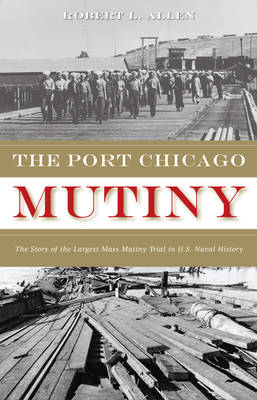
The Port Chicago Mutiny
The Story of the Largest Mass Mutiny Trial in U.S. Naval History
Robert L Allen
Paperback | Engels
€ 33,45
Omschrijving
During World War II, Port Chicago was a segregated naval munitions base on the outer shores of San Francisco Bay. Black seamen were required to load ammunition onto ships bound for the South Pacific under the watch of their white officers--an incredibly dangerous and physically challenging task. On July 17, 1944, an explosion rocked the base, killing 320 men--202 of whom were black ammunition loaders. In the ensuing weeks, white officers were given leave time and commended for heroic efforts, whereas 328 of the surviving black enlistees were sent to load ammunition on another ship. When they refused, fifty men were singled out and charged--and convicted--of mutiny. It was the largest mutiny trial in U.S. naval history. First published in 1989, The Port Chicago Mutiny is a thorough and riveting work of civil rights literature, and with a new preface and epilogue by the author emphasize the event's relevance today.
Specificaties
Betrokkenen
- Auteur(s):
- Uitgeverij:
Inhoud
- Aantal bladzijden:
- 224
- Taal:
- Engels
Eigenschappen
- Productcode (EAN):
- 9781597140287
- Verschijningsdatum:
- 1/10/2011
- Uitvoering:
- Paperback
- Formaat:
- Trade paperback (VS)
- Afmetingen:
- 152 mm x 231 mm
- Gewicht:
- 385 g


Alleen bij Standaard Boekhandel
Cadeau

AANGERADEN


Beoordelingen
We publiceren alleen reviews die voldoen aan de voorwaarden voor reviews. Bekijk onze voorwaarden voor reviews.