


- Afhalen na 1 uur in een winkel met voorraad
- Gratis thuislevering in België vanaf € 30
- Ruim aanbod met 7 miljoen producten
- Afhalen na 1 uur in een winkel met voorraad
- Gratis thuislevering in België vanaf € 30
- Ruim aanbod met 7 miljoen producten





€ 121,90
+ 243 punten
Omschrijving
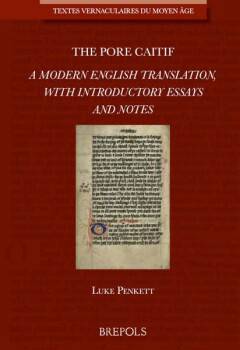
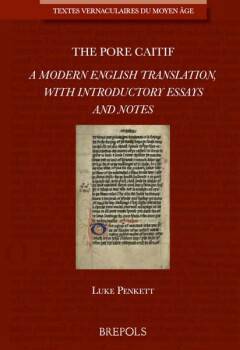
The Pore Caitif is a popular, late-fourteenth-century, carefully crafted compilation of biblical, catechetical, devotional and mystical material drawing on patristic and medieval sources, in Middle English, consisting of a Prologue and a variable number of sections of differing lengths according to each manuscript, assembled probably by a clerical writer for an increasing literate lay readership/audience. The Prologue sets out the reason for writing and its overall structure as an integrated ladder leading the reader to heaven. The text begins with basic catechetical instruction modelled on John Peckham's Lambeth Constitutions of 1281 before continuing with more affective material, meditating, for example, on the Passion, and concludes with a treatise on virginity, leading the reader from an active to a contemplative way of life. The Pore Caitif was written about the time the Lollards were starting to propagate their programme of universal vernacular education. The writer believes in the need to educate his readers in the truths necessary for salvation without necessarily subscribing to Lollard positions. Although referred to in a number of secondary articles and books, and serving as the focus of three doctoral dissertations, an edition of the work was not published until 2019. Penkett's publication is the first Modern English translation based on the 2019 publication and is in a readily accessible format for the modern reader, accompanied by a series of ground-breaking essays.
Specificaties
Betrokkenen
- Auteur(s):
- Uitgeverij:
Inhoud
- Aantal bladzijden:
- 173
- Taal:
- Engels
- Reeks:
- Reeksnummer:
- nr. 34
Eigenschappen
- Productcode (EAN):
- 9782503613741
- Verschijningsdatum:
- 12/12/2024
- Uitvoering:
- Paperback
- Formaat:
- Trade paperback (VS)
- Afmetingen:
- 156 mm x 234 mm
- Gewicht:
- 331 g


Alleen bij Standaard Boekhandel
+ 243 punten op je klantenkaart van Standaard Boekhandel
Cadeau

AANGERADEN


Beoordelingen
We publiceren alleen reviews die voldoen aan de voorwaarden voor reviews. Bekijk onze voorwaarden voor reviews.