



Je cadeautjes zeker op tijd in huis hebben voor de feestdagen? Kom langs in onze winkels en vind het perfecte geschenk!
- Afhalen na 1 uur in een winkel met voorraad
- Gratis thuislevering in België vanaf € 30
- Ruim aanbod met 7 miljoen producten
Je cadeautjes zeker op tijd in huis hebben voor de feestdagen? Kom langs in onze winkels en vind het perfecte geschenk!
- Afhalen na 1 uur in een winkel met voorraad
- Gratis thuislevering in België vanaf € 30
- Ruim aanbod met 7 miljoen producten





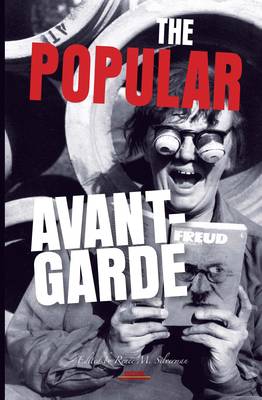
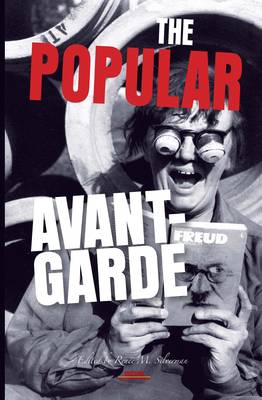
The Popular Avant-Garde
€ 160,45
+ 320 punten
Omschrijving
The avant-garde has been popular for some time, but its popularity has tended to fly under the radar. This "popular avant-garde," conceived as the meeting ground of the avant-garde and popular, avoids the divorce of art and praxis of which the avant-garde has been accused. The Popular Avant-Garde takes stock of the debates about both the "historical" ("modernist") and posterior avant-gardes, and sets them in relation to popular culture and art forms. With a critical introduction that examines the concepts of "the avant-garde," "the popular," and "the popular avant-garde," the series of essays analyzes the way in which the avant-garde employs popular genres for political purposes, as well as how the popular acquires a critical function with respect to the avant-garde. Each of the volume's three sections considers a different aspect of the productive exchange between the avant-garde and popular: the popular avant-garde as a culturally hybrid and cross-border phenomenon; the play between the popular avant-garde and developments in media and technology; and the popular avant-garde's upending of conventional ideas about "the people" and "the popular." The Popular Avant-Garde takes a fresh look at the now canonical Dadaist, Futurist, and Surrealist movements from the perspectives of gender and sexuality, and cultural and critical theory, while at the same time exploring less well-known avant-garde work in literature, film, television, music, photography, dance, sculpture, and the graphic arts. This volume's coverage of the American and Afro-American, Luso-Brazilian and Latin-American, East-European, and Scandinavian avant-gardes, in addition to the vanguards of Spain and other parts of Western Europe, will appeal to all those interested in avant-garde and popular art forms.
Specificaties
Betrokkenen
- Uitgeverij:
Inhoud
- Aantal bladzijden:
- 324
- Taal:
- Engels
- Reeks:
- Reeksnummer:
- nr. 25
Eigenschappen
- Productcode (EAN):
- 9789042031609
- Verschijningsdatum:
- 1/01/2010
- Uitvoering:
- Hardcover
- Formaat:
- Genaaid
- Afmetingen:
- 155 mm x 230 mm
- Gewicht:
- 698 g

Alleen bij Standaard Boekhandel
+ 320 punten op je klantenkaart van Standaard Boekhandel
CADEAU


Beoordelingen
We publiceren alleen reviews die voldoen aan de voorwaarden voor reviews. Bekijk onze voorwaarden voor reviews.