


- Afhalen na 1 uur in een winkel met voorraad
- Gratis thuislevering in België vanaf € 30
- Ruim aanbod met 7 miljoen producten
- Afhalen na 1 uur in een winkel met voorraad
- Gratis thuislevering in België vanaf € 30
- Ruim aanbod met 7 miljoen producten





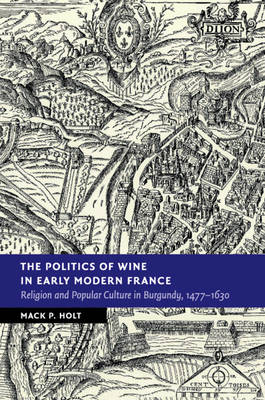
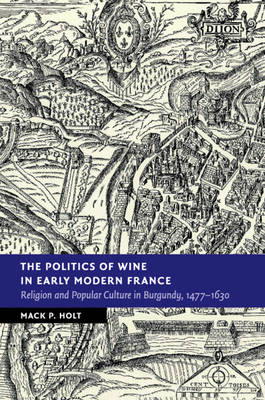
The Politics of Wine in Early Modern France
Religion and Popular Culture in Burgundy, 1477-1630
Mack P Holt
€ 76,45
+ 152 punten
Uitvoering
Omschrijving
In the late fifteenth century, Burgundy was incorporated in the kingdom of France. This, coupled with the advent of Protestantism in the early sixteenth century, opened up new avenues for participation in public life by ordinary Burgundians and led to considerably greater interaction between the elites and the ordinary people. Mack Holt examines the relationship between the ruling and popular classes from Burgundy's re-incorporation into France in 1477 until the Lanturelu riot in Dijon in 1630, focusing on the local wine industry. Indeed, the vineyard workers were crucial in turning back the tide of Protestantism in the province until 1630 when, following royal attempts to reduce the level of popular participation in public affairs, Louis XIII tried to remove them from the city altogether. More than just a local study, this book shows how the popular classes often worked together with local elites to shape policies that affected them.
Specificaties
Betrokkenen
- Auteur(s):
- Uitgeverij:
Inhoud
- Aantal bladzijden:
- 370
- Taal:
- Engels
- Reeks:
Eigenschappen
- Productcode (EAN):
- 9781108456814
- Verschijningsdatum:
- 5/03/2020
- Uitvoering:
- Paperback
- Formaat:
- Trade paperback (VS)
- Afmetingen:
- 152 mm x 229 mm
- Gewicht:
- 494 g


Alleen bij Standaard Boekhandel
+ 152 punten op je klantenkaart van Standaard Boekhandel
Cadeau

AANGERADEN


Beoordelingen
We publiceren alleen reviews die voldoen aan de voorwaarden voor reviews. Bekijk onze voorwaarden voor reviews.