


- Afhalen na 1 uur in een winkel met voorraad
- Gratis thuislevering in België vanaf € 30
- Ruim aanbod met 7 miljoen producten
- Afhalen na 1 uur in een winkel met voorraad
- Gratis thuislevering in België vanaf € 30
- Ruim aanbod met 7 miljoen producten





€ 79,95
+ 159 punten
Omschrijving
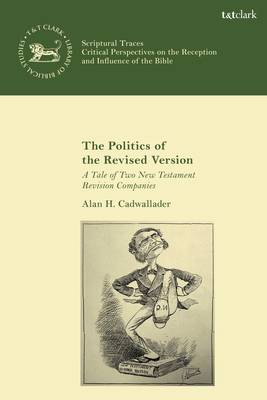
Alan Cadwallader explores the intricate tensions and conflicts that infused the work of revision of the Authorised Version of the Bible between 1870 and 1885. The Promethean aspirations of the venture actually generated one of the most bitter instances of the political manoeuvres involved in the translation of a sacred book. Cadwallader reveals how the public avowal of unity and fraternal harmony that accompanied the public release and marketing of the New Testament revision in 1881 and the Old Testament revision in 1885, masks fraught historical realities that threatened the realization of the project from the beginning.
Through a thorough examination of private correspondence, notebooks kept by various members of the New Testament Revision Companies in England and the United States, and other previously unstudied primary sources, Cadwallader examines and presents the complexities of the political situation surrounding the translation. He exposes the competing interests of an imperial, sovereign nation and a seriously divided Established Church floundering over its continued relevance; the ambitions and significance of Nonconformity in a nation's highly contested religious environment; the agonistic conflicts that erupted from assertions of national and international prestige and responsibilities; and the ultimate control exercised by publishing houses that fundamentally flawed the process of revision and the public acceptance of the final product.Specificaties
Betrokkenen
- Auteur(s):
- Uitgeverij:
Inhoud
- Aantal bladzijden:
- 256
- Taal:
- Engels
- Reeks:
Eigenschappen
- Productcode (EAN):
- 9780567694850
- Verschijningsdatum:
- 28/05/2020
- Uitvoering:
- Paperback
- Formaat:
- Trade paperback (VS)
- Afmetingen:
- 156 mm x 234 mm
- Gewicht:
- 367 g


Alleen bij Standaard Boekhandel
+ 159 punten op je klantenkaart van Standaard Boekhandel
Cadeau

AANGERADEN


Beoordelingen
We publiceren alleen reviews die voldoen aan de voorwaarden voor reviews. Bekijk onze voorwaarden voor reviews.