


- Afhalen na 1 uur in een winkel met voorraad
- Gratis thuislevering in België vanaf € 30
- Ruim aanbod met 7 miljoen producten
- Afhalen na 1 uur in een winkel met voorraad
- Gratis thuislevering in België vanaf € 30
- Ruim aanbod met 7 miljoen producten





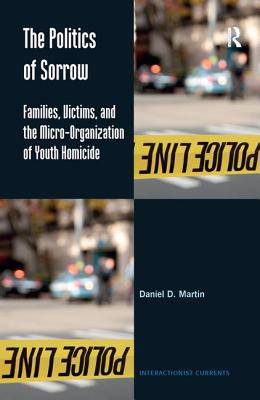
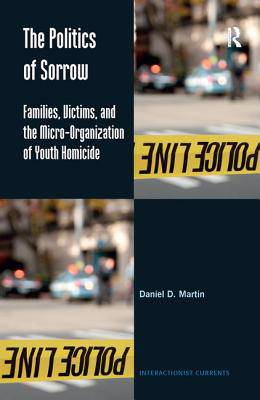
The Politics of Sorrow
Families, Victims, and the Micro-Organization of Youth Homicide
Daniel D Martin
€ 111,45
+ 222 punten
Uitvoering
Omschrijving
Drawing on years of research with grief support organizations and the families and friends of murdered children, this book examines the emotional experience of families in the aftermath of a homicide, offering a comparative analysis of White and African-American families as they navigate the experience of homicide, shedding light on the ways in which the class location or ethnicity of mourners affects their experience. Analyzing the manner in which police and other authorities differentially extend emotional support to bereaved families, notify them of a homicide, or assign blame, The Politics of Sorrow reveals how 'disenfranchised grief' comes to be an institutionalized outcome of their practice.
Specificaties
Betrokkenen
- Auteur(s):
- Uitgeverij:
Inhoud
- Aantal bladzijden:
- 208
- Taal:
- Engels
- Reeks:
Eigenschappen
- Productcode (EAN):
- 9781138279520
- Verschijningsdatum:
- 17/11/2016
- Uitvoering:
- Paperback
- Formaat:
- Trade paperback (VS)
- Afmetingen:
- 156 mm x 234 mm
- Gewicht:
- 299 g


Alleen bij Standaard Boekhandel
+ 222 punten op je klantenkaart van Standaard Boekhandel
Cadeau

AANGERADEN


Beoordelingen
We publiceren alleen reviews die voldoen aan de voorwaarden voor reviews. Bekijk onze voorwaarden voor reviews.