


- Afhalen na 1 uur in een winkel met voorraad
- Gratis thuislevering in België vanaf € 30
- Ruim aanbod met 7 miljoen producten
- Afhalen na 1 uur in een winkel met voorraad
- Gratis thuislevering in België vanaf € 30
- Ruim aanbod met 7 miljoen producten





€ 62,45
+ 124 punten
Omschrijving
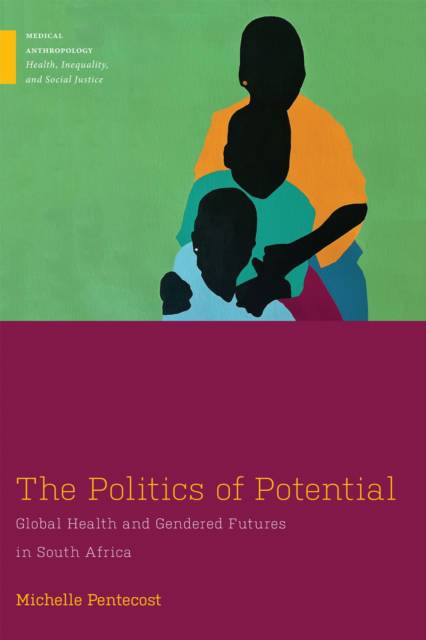
The first one thousand days of human life, or the period between conception and age two, is one of the most pivotal periods of human development. Optimizing nutrition during this time not only prevents childhood malnutrition but also determines future health and potential. The Politics of Potential examines early life interventions in the first one thousand days of life in South Africa, drawing on fieldwork from international conferences, government offices, health-care facilities, and the everyday lives of fifteen women and their families in Cape Town. Michelle Pentecost explores various aspects of a politics of potential, a term that underlines the first one thousand days concept and its effects on clinical care and the lives of childbearing women in South Africa. Why was the First One Thousand Days project so readily adopted by South Africa and many other countries? Pentecost not only explores this question but also discusses the science of intergenerational transmissions of health, disease, and human capital and how this constitutes new forms of intergenerational responsibility. The women who are the target of first one thousdand days interventions are cast as both vulnerable and responsible for the health of future generations, such that, despite its history, intergenerational responsibility in South Africa remains entrenched in powerfully gendered and racialized ways.
Specificaties
Betrokkenen
- Auteur(s):
- Uitgeverij:
Inhoud
- Aantal bladzijden:
- 236
- Taal:
- Engels
- Reeks:
Eigenschappen
- Productcode (EAN):
- 9781978837478
- Verschijningsdatum:
- 12/01/2024
- Uitvoering:
- Paperback
- Formaat:
- Trade paperback (VS)
- Afmetingen:
- 155 mm x 229 mm
- Gewicht:
- 290 g


Alleen bij Standaard Boekhandel
+ 124 punten op je klantenkaart van Standaard Boekhandel
Cadeau

AANGERADEN


Beoordelingen
We publiceren alleen reviews die voldoen aan de voorwaarden voor reviews. Bekijk onze voorwaarden voor reviews.