


- Afhalen na 1 uur in een winkel met voorraad
- Gratis thuislevering in België vanaf € 30
- Ruim aanbod met 7 miljoen producten
- Afhalen na 1 uur in een winkel met voorraad
- Gratis thuislevering in België vanaf € 30
- Ruim aanbod met 7 miljoen producten





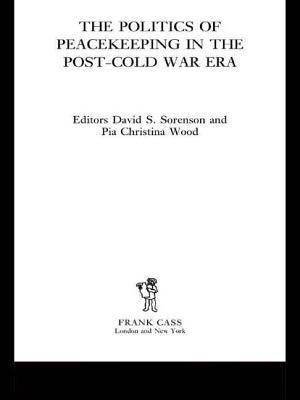
The Politics of Peacekeeping in the Post-Cold War Era
€ 108,45
+ 216 punten
Omschrijving
Most literature on peacekeeping narrowly focuses on particular peacekeeping operations, and the political bargaining between peacekeeping participants. However, there is very little published research on why nations actually commit forces to peacekeeping operations. This new book meets this need. The authors focus specifically on the political and economic motivations that influence the decision to participate in peacekeeping. They consider how definitions of national interest frame the political debate, and what the reasons are for the military support for, or opposition to, peacekeeping operations. They also explore the role of inter-agency politics, the role of public opinion in peacekeeping decisions, the influence of pressure from other nations and non-nation actors to commit peacekeeping forces.
Specificaties
Betrokkenen
- Uitgeverij:
Inhoud
- Aantal bladzijden:
- 232
- Taal:
- Engels
- Reeks:
Eigenschappen
- Productcode (EAN):
- 9780714655963
- Verschijningsdatum:
- 1/02/2005
- Uitvoering:
- Paperback
- Formaat:
- Trade paperback (VS)
- Afmetingen:
- 162 mm x 236 mm
- Gewicht:
- 358 g

Alleen bij Standaard Boekhandel
+ 216 punten op je klantenkaart van Standaard Boekhandel
Cadeau

AANGERADEN


Beoordelingen
We publiceren alleen reviews die voldoen aan de voorwaarden voor reviews. Bekijk onze voorwaarden voor reviews.