


- Afhalen na 1 uur in een winkel met voorraad
- Gratis thuislevering in België vanaf € 30
- Ruim aanbod met 7 miljoen producten
- Afhalen na 1 uur in een winkel met voorraad
- Gratis thuislevering in België vanaf € 30
- Ruim aanbod met 7 miljoen producten





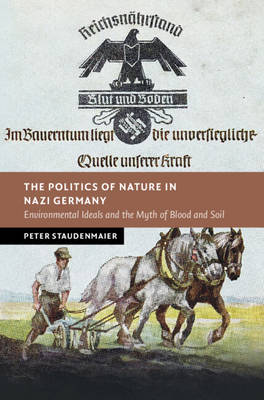
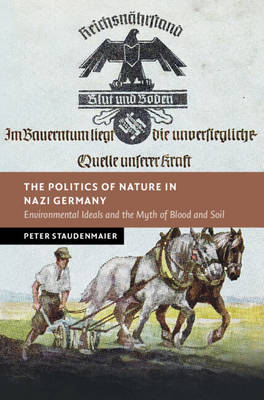
The Politics of Nature in Nazi Germany
Environmental Ideals and the Myth of Blood and Soil
Peter Staudenmaier
€ 187,45
+ 374 punten
Omschrijving
For some Germans, Nazism represented an ecological outlook and a return to a simpler, healthier, more natural way of life founded on environmental harmony. That image fundamentally conflicts with the astonishing destructiveness of the Nazi military machine and its legacy of concentration camps, dictatorship, and mass murder. This study argues that these two facets of Nazism, the ecological and the imperial, were integrally intertwined. Peter Staudenmaier uses new archival evidence to examine this contested history, ranging from early organic farming movements to landscape protection advocates. In doing so, Staudenmaier reveals a remarkable range of practical endeavors in Nazi Germany that were shaped by ecological ideals coupled with potent racial myths. The Politics of Nature in Nazi Germany challenges previous scholarly frameworks, bringing together environmental history and the history of Nazism in new and revealing ways.
Specificaties
Betrokkenen
- Auteur(s):
- Uitgeverij:
Inhoud
- Aantal bladzijden:
- 230
- Taal:
- Engels
- Reeks:
Eigenschappen
- Productcode (EAN):
- 9781009653527
- Verschijningsdatum:
- 9/04/2026
- Uitvoering:
- Hardcover
- Formaat:
- Genaaid
- Afmetingen:
- 152 mm x 229 mm
- Gewicht:
- 476 g


Alleen bij Standaard Boekhandel
+ 374 punten op je klantenkaart van Standaard Boekhandel
Cadeau

AANGERADEN


Beoordelingen
We publiceren alleen reviews die voldoen aan de voorwaarden voor reviews. Bekijk onze voorwaarden voor reviews.