



Bedankt voor het vertrouwen het afgelopen jaar! Om jou te bedanken bieden we GRATIS verzending (in België) aan op alles gedurende de hele maand januari.
- Afhalen na 1 uur in een winkel met voorraad
- In januari gratis thuislevering in België
- Ruim aanbod met 7 miljoen producten
Bedankt voor het vertrouwen het afgelopen jaar! Om jou te bedanken bieden we GRATIS verzending (in België) aan op alles gedurende de hele maand januari.
- Afhalen na 1 uur in een winkel met voorraad
- In januari gratis thuislevering in België
- Ruim aanbod met 7 miljoen producten





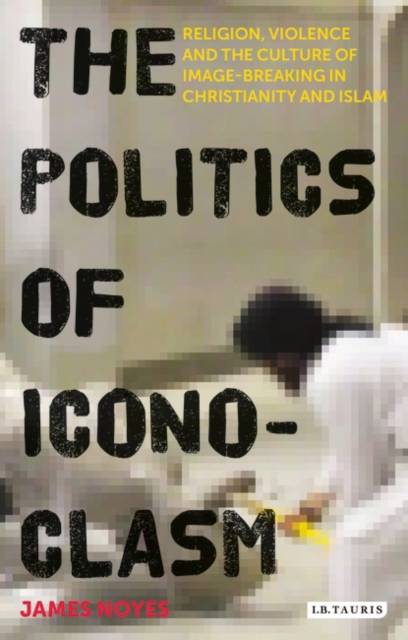
The Politics of Iconoclasm Religion, Violence and the Culture of Image-Breaking in Christianity and Islam
Religion, Violence and the Culture of Image-Breaking in Christianity and Islam
James Noyes
€ 45,95
+ 91 punten
Omschrijving
From false idols and graven images to the tombs of kings and the shrines of capitalism, the targeted destruction of cities, sacred sites and artefacts for religious, political or nationalistic reasons is central to our cultural legacy. This book examines the different traditions of image-breaking in Christianity and Islam as well as their development into nominally secular movements and paints a vivid, scholarly picture of a culture of destruction encompassing Protestantism, Wahhabism, and Nationalism. Beginning with a comparative account of Calvinist Geneva and Wahhabi Mecca, The Politics of Iconoclasm explores the religious and political agendas behind acts of image-breaking and their relation to nationhood and state-building. From sixteenth-century Geneva to urban developments in Mecca today, The Politics of Iconoclasm explores the history of image-breaking, the culture of violence and its paradoxical roots in the desire for renewal. Examining these dynamics of nationhood, technology, destruction and memory, a historical journey is described in which the temple is razed and replaced by the machine.
Specificaties
Betrokkenen
- Auteur(s):
- Uitgeverij:
Inhoud
- Aantal bladzijden:
- 256
- Taal:
- Engels
- Reeks:
Eigenschappen
- Productcode (EAN):
- 9781784534790
- Verschijningsdatum:
- 30/03/2016
- Uitvoering:
- Paperback
- Formaat:
- Trade paperback (VS)
- Afmetingen:
- 137 mm x 216 mm
- Gewicht:
- 240 g



Alleen bij Standaard Boekhandel
+ 91 punten op je klantenkaart van Standaard Boekhandel
SOLDEN


Beoordelingen
We publiceren alleen reviews die voldoen aan de voorwaarden voor reviews. Bekijk onze voorwaarden voor reviews.