


- Afhalen na 1 uur in een winkel met voorraad
- Gratis thuislevering in België vanaf € 30
- Ruim aanbod met 7 miljoen producten
- Afhalen na 1 uur in een winkel met voorraad
- Gratis thuislevering in België vanaf € 30
- Ruim aanbod met 7 miljoen producten





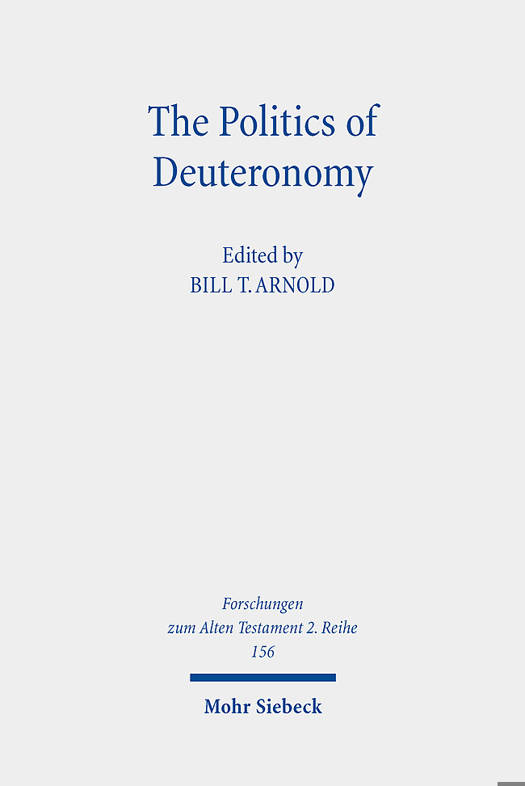
The Politics of Deuteronomy
€ 104,45
+ 208 punten
Omschrijving
The Book of Deuteronomy contains a text of compelling relevance at its center - the so-called Law of Offices (Deut 16:18-18:22). Scholars have investigated this passage as an early type of constitutional law, especially for its definition of the responsibilities of four human authorities in ancient Israel: judges, kings, priests, and prophets. Indeed, this portrait of Israel's human leaders continues to fascinate us with possibilities, perhaps especially because of its enduring significance for political theorists and legal scholars even today. This volume presents contributions stemming in part from sessions of the Deuteronomy Program Unit of the Society of Biblical Literature. Leading experts in the field offer innovative essays on the passage. The essays are not directly related to each other, yet they share a common goal: investigating this important portion of Deuteronomy from either a theoretical or exegetical perspective.
Specificaties
Betrokkenen
- Uitgeverij:
Inhoud
- Aantal bladzijden:
- 294
- Taal:
- Engels
- Reeks:
- Reeksnummer:
- nr. 156
Eigenschappen
- Productcode (EAN):
- 9783161639098
- Verschijningsdatum:
- 17/03/2025
- Uitvoering:
- Paperback
- Formaat:
- Trade paperback (VS)
- Afmetingen:
- 154 mm x 231 mm
- Gewicht:
- 557 g

Alleen bij Standaard Boekhandel
+ 208 punten op je klantenkaart van Standaard Boekhandel
Cadeau

AANGERADEN


Beoordelingen
We publiceren alleen reviews die voldoen aan de voorwaarden voor reviews. Bekijk onze voorwaarden voor reviews.