


- Afhalen na 1 uur in een winkel met voorraad
- Gratis thuislevering in België vanaf € 30
- Ruim aanbod met 7 miljoen producten
- Afhalen na 1 uur in een winkel met voorraad
- Gratis thuislevering in België vanaf € 30
- Ruim aanbod met 7 miljoen producten





€ 67,95
+ 135 punten
Uitvoering
Omschrijving
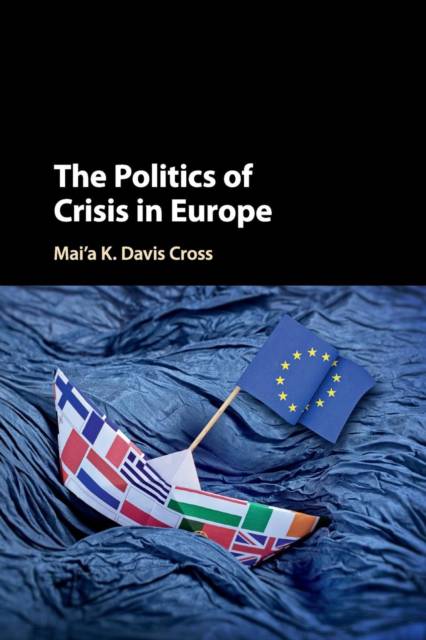
The Politics of Crisis in Europe explores the resilience of the European Union in the face of repeated crises perceived to threaten its very existence. While it is often observed after the fact that these crises serve as opportunities for integration, this is the first critical analysis to suggest that we cannot fully understand the nature and severity of these crises without recognising the role of societal reaction to events and the nature of social narratives about crisis, especially those advanced by the media. Through a close examination of the 2003 Iraq crisis, the 2005 constitutional crisis, and the 2010-12 Eurozone crisis, this book identifies a pattern across these episodes, demonstrating how narratives about crises provide the means to openly air underlying societal tensions that would otherwise remain under the surface, impeding further integration.
Specificaties
Betrokkenen
- Auteur(s):
- Uitgeverij:
Inhoud
- Aantal bladzijden:
- 260
- Taal:
- Engels
Eigenschappen
- Productcode (EAN):
- 9781316602355
- Verschijningsdatum:
- 25/01/2017
- Uitvoering:
- Paperback
- Formaat:
- Trade paperback (VS)
- Afmetingen:
- 152 mm x 229 mm
- Gewicht:
- 353 g


Alleen bij Standaard Boekhandel
+ 135 punten op je klantenkaart van Standaard Boekhandel
Cadeau

AANGERADEN


Beoordelingen
We publiceren alleen reviews die voldoen aan de voorwaarden voor reviews. Bekijk onze voorwaarden voor reviews.