



Er zijn problemen bij het activeren van e-books. Daardoor kan het langer duren voor je aangekochte e-books beschikbaar zijn. Je ontvangt automatisch bericht van zodra dat het geval is.
- Afhalen na 1 uur in een winkel met voorraad
- In januari gratis thuislevering in België
- Ruim aanbod met 7 miljoen producten
Er zijn problemen bij het activeren van e-books. Daardoor kan het langer duren voor je aangekochte e-books beschikbaar zijn. Je ontvangt automatisch bericht van zodra dat het geval is.
- Afhalen na 1 uur in een winkel met voorraad
- In januari gratis thuislevering in België
- Ruim aanbod met 7 miljoen producten





€ 134,45
Uitvoering
Omschrijving
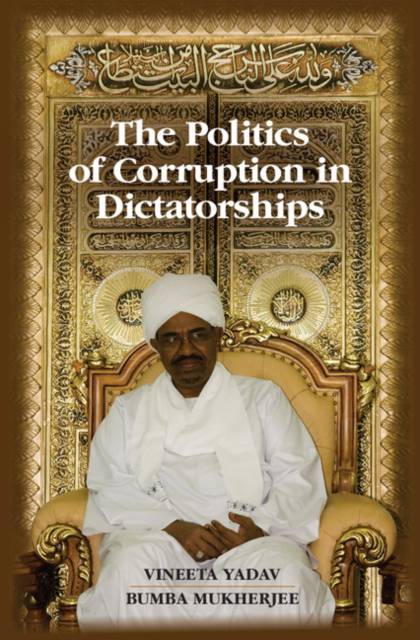
The Politics of Corruption in Dictatorships studies how institutional and social factors influence corruption in dictatorships. Dictatorships are often synonymous with high levels of corruption, yet Vineeta Yadav and Bumba Mukherjee argue otherwise. The authors ask why corruption has declined in some but not other authoritarian regimes. What are the main political factors that drive some autocrats to curb corruption? The book explores the role that business mobilization can play in reducing corruption under some conditions in dictatorships. It investigates how political competition for an elected legislature affects the incentives of dictators to engage in corruption. The study relies on case studies from Jordan, Malaysia, and Uganda. The book is accessible to a wide audience without requiring sophisticated statistical training.
Specificaties
Betrokkenen
- Auteur(s):
- Uitgeverij:
Inhoud
- Aantal bladzijden:
- 334
- Taal:
- Engels
Eigenschappen
- Productcode (EAN):
- 9781107083233
- Verschijningsdatum:
- 30/12/2015
- Uitvoering:
- Hardcover
- Formaat:
- Genaaid
- Afmetingen:
- 158 mm x 238 mm
- Gewicht:
- 585 g



Alleen bij Standaard Boekhandel
Cadeau

AANGERADEN


Beoordelingen
We publiceren alleen reviews die voldoen aan de voorwaarden voor reviews. Bekijk onze voorwaarden voor reviews.