


- Afhalen na 1 uur in een winkel met voorraad
- Gratis thuislevering in België vanaf € 30
- Ruim aanbod met 7 miljoen producten
- Afhalen na 1 uur in een winkel met voorraad
- Gratis thuislevering in België vanaf € 30
- Ruim aanbod met 7 miljoen producten





€ 44,45
+ 88 punten
Omschrijving
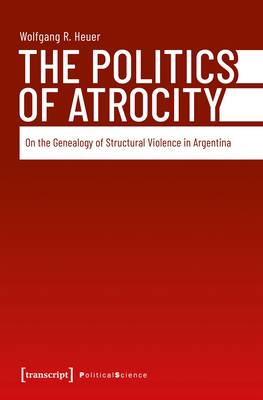
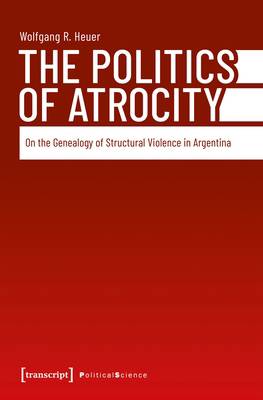
The terror of Argentina's last military dictatorship from 1976 to 1983, with an estimated 30,000 people murdered, is one of a series of violent conflicts that have taken every known form since independence from Spain in 1825: civil wars, dictatorships and genocide of the indigenous population. They are accompanied by a culture of violence and cruelty and reinforce social inequality, weakness and corruption in state institutions. Wolfgang R. Heuer tells the story of political violence in Argentina in short episodes, including early observations of genocide, metaphors of failure in literature, and the reasons for the failure of the Montoneros urban guerrilla movement. This shows that violence and anarchy, in the sense of weak politics, reinforce each other.
Specificaties
Betrokkenen
- Auteur(s):
- Uitgeverij:
Inhoud
- Aantal bladzijden:
- 288
- Taal:
- Engels
- Reeks:
Eigenschappen
- Productcode (EAN):
- 9783837681758
- Verschijningsdatum:
- 30/06/2026
- Uitvoering:
- Paperback
- Formaat:
- Trade paperback (VS)
- Afmetingen:
- 152 mm x 229 mm
- Gewicht:
- 385 g


Alleen bij Standaard Boekhandel
+ 88 punten op je klantenkaart van Standaard Boekhandel
Cadeau

AANGERADEN


Beoordelingen
We publiceren alleen reviews die voldoen aan de voorwaarden voor reviews. Bekijk onze voorwaarden voor reviews.