


- Afhalen na 1 uur in een winkel met voorraad
- Gratis thuislevering in België vanaf € 30
- Ruim aanbod met 7 miljoen producten
- Afhalen na 1 uur in een winkel met voorraad
- Gratis thuislevering in België vanaf € 30
- Ruim aanbod met 7 miljoen producten





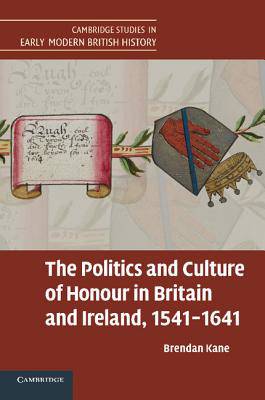
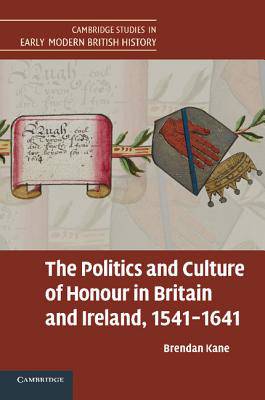
The Politics and Culture of Honour in Britain and Ireland, 1541-1641
Brendan Kane
€ 67,95
+ 135 punten
Uitvoering
Eenvoudig bestellen
Veilig betalen


Gratis thuislevering vanaf € 30 (via bpost)
Gratis levering in je Standaard Boekhandel
Omschrijving
Through an exploration of overlapping concepts of noble honour amongst English and Irish elites, this book provides a cultural analysis of 'British' high politics in the early modern period. Analysing English- and Irish-language sources, Brendan Kane argues that between the establishment of the Irish kingdom under the English Crown in 1541 and the Irish rebellion of 1641, honour played a powerful role in determining the character of Anglo-Irish society, politics and cultural contact. In this age, before the rise of a more bureaucratic and participatory state, political power was intensely personal and largely the concern of elites. And those elites were preoccupied with honour. By exploring contemporary 'honour politics', this book brings a cultural perspective to our understanding of the character of English imperialism in Ireland and of the Irish responses to it. In so doing it highlights understudied aspects of the origins of the 'British' state.
Specificaties
Betrokkenen
- Auteur(s):
- Uitgeverij:
Inhoud
- Aantal bladzijden:
- 320
- Taal:
- Engels
- Reeks:
Eigenschappen
- Productcode (EAN):
- 9781107630536
- Verschijningsdatum:
- 23/01/2014
- Uitvoering:
- Paperback
- Formaat:
- Trade paperback (VS)
- Afmetingen:
- 152 mm x 229 mm
- Gewicht:
- 430 g


Alleen bij Standaard Boekhandel
+ 135 punten op je klantenkaart van Standaard Boekhandel
CADEAU

AANGERADEN


Beoordelingen
We publiceren alleen reviews die voldoen aan de voorwaarden voor reviews. Bekijk onze voorwaarden voor reviews.