


- Afhalen na 1 uur in een winkel met voorraad
- Gratis thuislevering in België vanaf € 30
- Ruim aanbod met 7 miljoen producten
- Afhalen na 1 uur in een winkel met voorraad
- Gratis thuislevering in België vanaf € 30
- Ruim aanbod met 7 miljoen producten





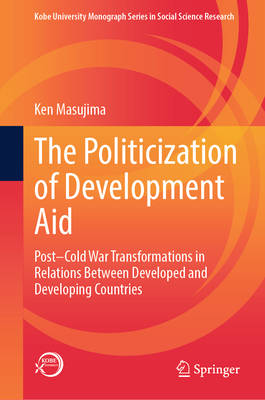
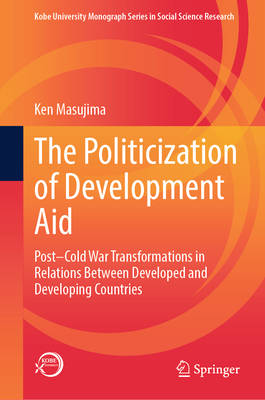
The Politicization of Development Aid
Post-Cold War Transformations in Relations Between Developed and Developing Countries
Ken Masujima
€ 244,45
+ 488 punten
Omschrijving
This book analyzes the transformation of development aid and international political thinking from the 1990s to the present. It highlights how aid became increasingly politicized as democracy promotion, governance reform, conflict prevention, and security concerns moved to the center of donor agendas. Focusing on France and the OECD, the book traces how post-Cold War transitions reshaped development policy while donor states continued to navigate the constraints of sovereignty. It examines France's shift from paternalistic postcolonial ties to formal diplomatic relations and its support for African-led peacekeeping initiatives. The book also explores globalization, fragile states, and post-9/11 debates on intervention, human rights, and the evolving meaning of sovereignty, including the emergence of the Responsibility to Protect (R2P). Sovereignty remains crucial in balancing globalization, intervention, and national self-determination, while development aid continues to bridge disparities between developed and developing nations. A new preface addresses the end of the liberal international order, the rise of the Global South, and the 2025 dissolution of USAID, offering a timely assessment of development aid's role in a changing world.
Specificaties
Betrokkenen
- Auteur(s):
- Uitgeverij:
Inhoud
- Aantal bladzijden:
- 273
- Taal:
- Engels
- Reeks:
Eigenschappen
- Productcode (EAN):
- 9789819592630
- Verschijningsdatum:
- 6/07/2026
- Uitvoering:
- Hardcover
- Formaat:
- Genaaid
- Afmetingen:
- 155 mm x 235 mm


Alleen bij Standaard Boekhandel
+ 488 punten op je klantenkaart van Standaard Boekhandel
Cadeau

AANGERADEN


Beoordelingen
We publiceren alleen reviews die voldoen aan de voorwaarden voor reviews. Bekijk onze voorwaarden voor reviews.