


- Afhalen na 1 uur in een winkel met voorraad
- Gratis thuislevering in België vanaf € 30
- Ruim aanbod met 7 miljoen producten
- Afhalen na 1 uur in een winkel met voorraad
- Gratis thuislevering in België vanaf € 30
- Ruim aanbod met 7 miljoen producten





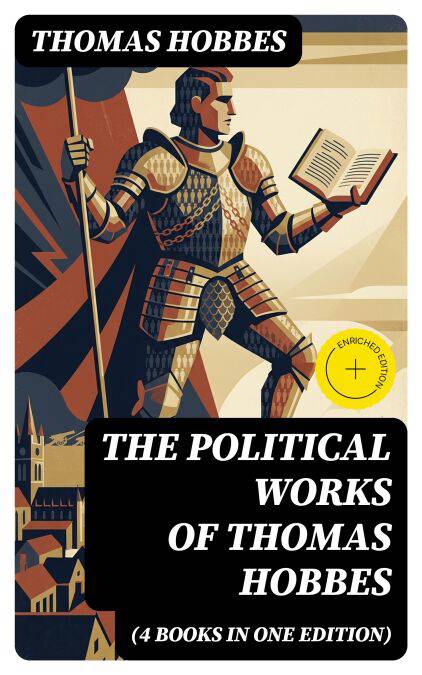
The Political Works of Thomas Hobbes (4 Books in One Edition) E-BOOK
Enriched edition. Leviathan, On the Citizen, The Elements of Law & Behemoth: The Long Parliament
Thomas Hobbes
E-book | Engels
€ 0,99
Uitvoering
Omschrijving
Thomas Hobbes' "The Political Works of Thomas Hobbes" compiles four seminal texts that delve into the foundations of political philosophy and social contract theory. Through a rigorous yet accessible prose style, Hobbes articulates his views on the nature of human beings, the necessity of an absolute sovereign, and the immutable laws of nature that govern society. These works, particularly "Leviathan," offer insights into the turbulent political climate of the 17th century, a period rife with civil strife and intellectual upheaval, thereby situating Hobbes as a pivotal figure in the evolution of modern political thought. Born in 1588 in England, Hobbes experienced firsthand the chaos of the English Civil War, shaping his perspectives on governance and authority. Educated at Oxford and influenced by classical philosophers, Hobbes developed a materialistic view of human nature that emphasized self-preservation and fear as central motivators. His experiences with monarchy and republicanism molded his arguments for a strong, centralized authority, reflecting a deep concern for societal order amidst disorder. For scholars, students, and anyone intrigued by the origins of modern governance, Hobbes' collected works serve as essential reading. This edition not only provides a comprehensive understanding of Hobbesian thought but also challenges readers to contemplate the implications of power and human nature, making it a critical resource for contemporary political discourse.
In this enriched edition, we have carefully created added value for your reading experience:
- A comprehensive Introduction outlines these selected works' unifying features, themes, or stylistic evolutions.
- The Author Biography highlights personal milestones and literary influences that shape the entire body of writing.
- A Historical Context section situates the works in their broader era—social currents, cultural trends, and key events that underpin their creation.
- A concise Synopsis (Selection) offers an accessible overview of the included texts, helping readers navigate plotlines and main ideas without revealing critical twists.
- A unified Analysis examines recurring motifs and stylistic hallmarks across the collection, tying the stories together while spotlighting the different work's strengths.
- Reflection questions inspire deeper contemplation of the author's overarching message, inviting readers to draw connections among different texts and relate them to modern contexts.
- Lastly, our hand‐picked Memorable Quotes distill pivotal lines and turning points, serving as touchstones for the collection's central themes.
In this enriched edition, we have carefully created added value for your reading experience:
- A comprehensive Introduction outlines these selected works' unifying features, themes, or stylistic evolutions.
- The Author Biography highlights personal milestones and literary influences that shape the entire body of writing.
- A Historical Context section situates the works in their broader era—social currents, cultural trends, and key events that underpin their creation.
- A concise Synopsis (Selection) offers an accessible overview of the included texts, helping readers navigate plotlines and main ideas without revealing critical twists.
- A unified Analysis examines recurring motifs and stylistic hallmarks across the collection, tying the stories together while spotlighting the different work's strengths.
- Reflection questions inspire deeper contemplation of the author's overarching message, inviting readers to draw connections among different texts and relate them to modern contexts.
- Lastly, our hand‐picked Memorable Quotes distill pivotal lines and turning points, serving as touchstones for the collection's central themes.
Specificaties
Betrokkenen
- Auteur(s):
- Uitgeverij:
Inhoud
- Aantal bladzijden:
- 1375
- Taal:
- Engels
Eigenschappen
- Productcode (EAN):
- 8596547762898
- Verschijningsdatum:
- 23/12/2023
- Uitvoering:
- E-book
- Beveiligd met:
- Digital watermarking
- Formaat:
- ePub



Alleen bij Standaard Boekhandel
Cadeau

AANGERADEN


Beoordelingen
We publiceren alleen reviews die voldoen aan de voorwaarden voor reviews. Bekijk onze voorwaarden voor reviews.