


- Afhalen na 1 uur in een winkel met voorraad
- Gratis thuislevering in België vanaf € 30
- Ruim aanbod met 7 miljoen producten
- Afhalen na 1 uur in een winkel met voorraad
- Gratis thuislevering in België vanaf € 30
- Ruim aanbod met 7 miljoen producten





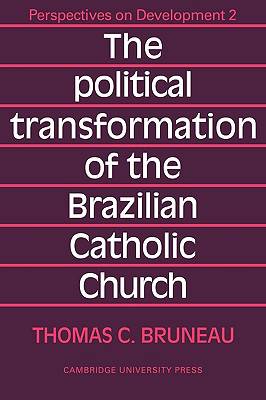
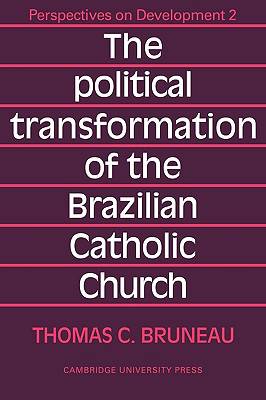
The Political Transformation of the Brazilian Catholic Church
Thomas C Bruneau
€ 67,95
+ 135 punten
Omschrijving
This 1974 book provides an institutional and historical analysis of the Brazilian Church, focusing in particular on its political role in relation to the state and society. There is a great interest in the Catholic Church in Latin America, both as an institution and as a progressive social force. The author pays special attention to the part played by the Church in the 'Brazilian Revolution' before 1964. By analyzing its internal reactions to changes in the external political order, he explains why the Church regressed after 1964 and from this develops an explanation of how change took place in the Church. The various threads of Professor Bruneau's analysis are brought together in the final section of the book. Here, it is shown that conflicts between Church and state are inevitable, and that they promise to change the whole system of which the Church has always been an integral part.
Specificaties
Betrokkenen
- Auteur(s):
- Uitgeverij:
Inhoud
- Aantal bladzijden:
- 288
- Taal:
- Engels
- Reeks:
- Reeksnummer:
- nr. 2
Eigenschappen
- Productcode (EAN):
- 9780521098489
- Verschijningsdatum:
- 28/02/1974
- Uitvoering:
- Paperback
- Formaat:
- Trade paperback (VS)
- Afmetingen:
- 152 mm x 229 mm
- Gewicht:
- 426 g


Alleen bij Standaard Boekhandel
+ 135 punten op je klantenkaart van Standaard Boekhandel
Cadeau

AANGERADEN


Beoordelingen
We publiceren alleen reviews die voldoen aan de voorwaarden voor reviews. Bekijk onze voorwaarden voor reviews.