


- Afhalen na 1 uur in een winkel met voorraad
- Gratis thuislevering in België vanaf € 30
- Ruim aanbod met 7 miljoen producten
- Afhalen na 1 uur in een winkel met voorraad
- Gratis thuislevering in België vanaf € 30
- Ruim aanbod met 7 miljoen producten





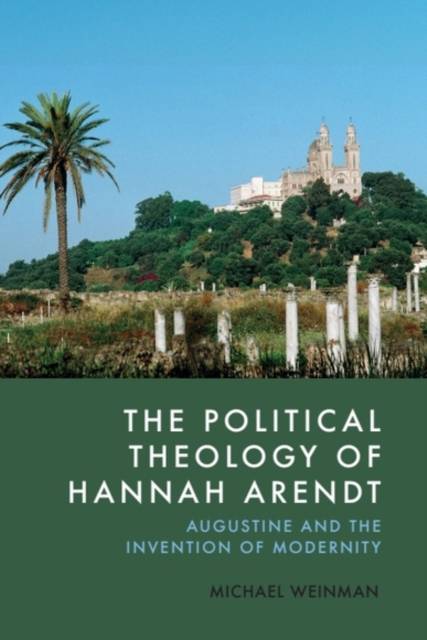
The Political Theology of Hannah Arendt
Augustine and the Invention of Modernity
Michael Weinman
Hardcover | Engels
€ 193,45
+ 386 punten
Omschrijving
The Political Theology of Hannah Arendt clarifies how to understand Arendt's arguments about freedom, collective action, and the problem of evil as political theological, rather than political theoretical or philosophical. To achieve this, Weinman offers a comparative reading of Arendt's engagement with Augustine, from her 1929 dissertation through to The Life of the Mind, which she was working on when she died in 1975. Weinman's innovation is to not only read both works together, but to also read them in light of Arendt's discussion of Augustine in key passages taken from all her works written in the decades between them. Arendt's attempt to reconcile liberal commitments with the Augustinian tradition makes clear why Arendt--and not Carl Schmitt--ought to be read as offering the preeminent response to Max Weber's theory of modernity as inescapably secular, the result of irreversible processes of disenchantment.
Specificaties
Betrokkenen
- Auteur(s):
- Uitgeverij:
Inhoud
- Aantal bladzijden:
- 184
- Taal:
- Engels
Eigenschappen
- Productcode (EAN):
- 9781399525541
- Verschijningsdatum:
- 30/04/2025
- Uitvoering:
- Hardcover
- Formaat:
- Genaaid
- Afmetingen:
- 156 mm x 234 mm
- Gewicht:
- 435 g



Alleen bij Standaard Boekhandel
+ 386 punten op je klantenkaart van Standaard Boekhandel
Cadeau

AANGERADEN


Beoordelingen
We publiceren alleen reviews die voldoen aan de voorwaarden voor reviews. Bekijk onze voorwaarden voor reviews.