


- Afhalen na 1 uur in een winkel met voorraad
- Gratis thuislevering in België vanaf € 30
- Ruim aanbod met 7 miljoen producten
- Afhalen na 1 uur in een winkel met voorraad
- Gratis thuislevering in België vanaf € 30
- Ruim aanbod met 7 miljoen producten





€ 67,95
+ 135 punten
Uitvoering
Omschrijving
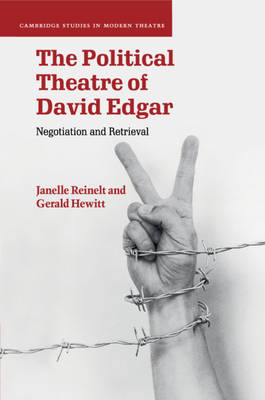
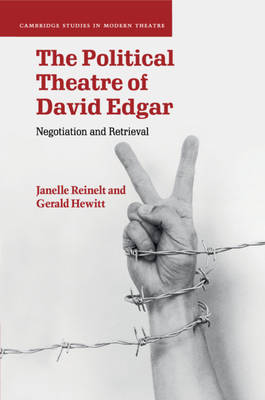
David Edgar's writings address the most basic questions of how humans organize and govern themselves in modern societies. This study brings together the disciplines of political philosophy and theatre studies to approach the leading British playwright as a political writer and a public social critic. Edgar uses theatre as a powerful tool of public discourse, an aesthetic modality for engaging with and thinking/feeling through the most pressing social issues of the day. In this he is a supreme rationalist: he deploys character, plot and language to explore ideas, to make certain kinds of discursive cases and model hypothetical alternatives. Reinelt and Hewitt analyze twelve of Edgar's most important plays, including Maydays and Pentecost, and also provide detailed discussions of key performances and critical reception to illustrate the playwright's artistic achievement in relation to his contributions as a public figure in British cultural life.
Specificaties
Betrokkenen
- Auteur(s):
- Uitgeverij:
Inhoud
- Aantal bladzijden:
- 323
- Taal:
- Engels
- Reeks:
Eigenschappen
- Productcode (EAN):
- 9781108701617
- Verschijningsdatum:
- 30/08/2018
- Uitvoering:
- Paperback
- Formaat:
- Trade paperback (VS)
- Afmetingen:
- 152 mm x 229 mm
- Gewicht:
- 435 g


Alleen bij Standaard Boekhandel
+ 135 punten op je klantenkaart van Standaard Boekhandel
Cadeau

AANGERADEN


Beoordelingen
We publiceren alleen reviews die voldoen aan de voorwaarden voor reviews. Bekijk onze voorwaarden voor reviews.