


- Afhalen na 1 uur in een winkel met voorraad
- Gratis thuislevering in België vanaf € 30
- Ruim aanbod met 7 miljoen producten
- Afhalen na 1 uur in een winkel met voorraad
- Gratis thuislevering in België vanaf € 30
- Ruim aanbod met 7 miljoen producten





€ 209,45
+ 418 punten
Uitvoering
Omschrijving
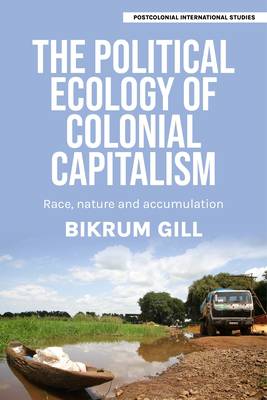
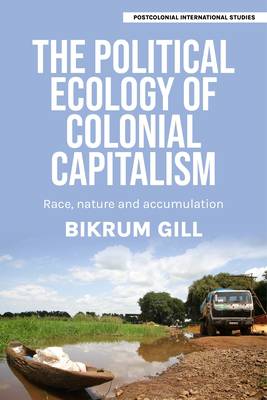
This book situates the post financial crisis phenomenon of the "global land grab" within the longue duree of the capitalist world system. It does so by advancing a theoretical and historical framework, called the political ecology of colonial capitalism, that clarifies the key role played by the co-production of race and nature in provisioning the "ecological surplus" that has historically secured the emergence and reproduction of capitalist development. The key premise of this book is that the global land grab constitutes another such attempted moment of re-securing the cheap food premise through racialized frontier appropriation. The argument advanced here is that, within the neoliberal crisis conjuncture, the hegemonic resolution of capital's escalating social-ecological contradictions necessitates, through the practice of "global primitive accumulation," the racialized construction of frontiers of unused nature in emergent zones of appropriation.
Specificaties
Betrokkenen
- Auteur(s):
- Uitgeverij:
Inhoud
- Aantal bladzijden:
- 256
- Taal:
- Engels
- Reeks:
Eigenschappen
- Productcode (EAN):
- 9781526181350
- Verschijningsdatum:
- 5/11/2024
- Uitvoering:
- Hardcover
- Formaat:
- Genaaid
- Afmetingen:
- 156 mm x 234 mm
- Gewicht:
- 530 g


Alleen bij Standaard Boekhandel
+ 418 punten op je klantenkaart van Standaard Boekhandel
Cadeau

AANGERADEN


Beoordelingen
We publiceren alleen reviews die voldoen aan de voorwaarden voor reviews. Bekijk onze voorwaarden voor reviews.