



Bedankt voor het vertrouwen het afgelopen jaar! Om jou te bedanken bieden we GRATIS verzending (in België) aan op alles gedurende de hele maand januari.
- Afhalen na 1 uur in een winkel met voorraad
- In januari gratis thuislevering in België
- Ruim aanbod met 7 miljoen producten
Bedankt voor het vertrouwen het afgelopen jaar! Om jou te bedanken bieden we GRATIS verzending (in België) aan op alles gedurende de hele maand januari.
- Afhalen na 1 uur in een winkel met voorraad
- In januari gratis thuislevering in België
- Ruim aanbod met 7 miljoen producten





€ 3,49
+ 3 punten
Uitvoering
Omschrijving
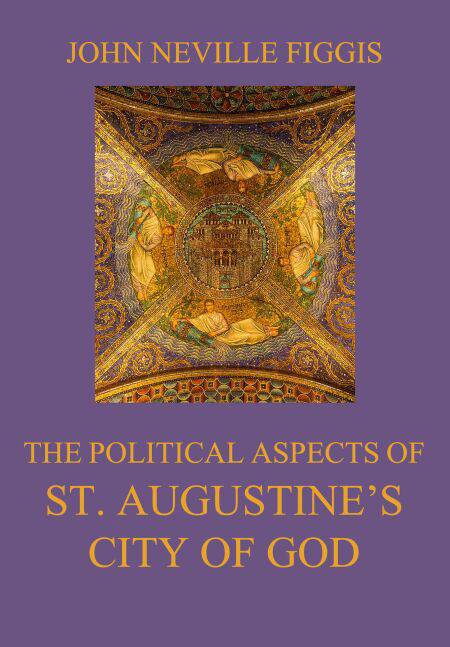
When one civilization has fallen and another is in its birth throes, people are apt to be seduced by the rushlights of a false leadership. The mind and mood of such a time of transition are intensely puzzling and those who would meet its needs must have insight and vision. The Epistle to the Hebrews was written after the fall of Jerusalem in the interest of a larger faith and in defense of the substantial authority of Christianity. When Rome was sacked by Alaric in 410 A. D., the shock of the catastrophe reacted against Christianity. Augustine wrote the De Civitate Dei to prove that the disaster was the inevitable Nemesis of the luxuries and corruptions of the citizenship and had little to do with Christianity, which had only a slight hold on public life. He also pointed out the contrast between the actual city to which the Romans were fanatically devoted, and the ideal city of his prophetic vision, contending that this ideal is eternal and unrealized but in process of realization. He was further convinced that Christianity was not merely a superior gnosis but a scheme of redemption, justified by its higher ethical standards and by the better conduct of its adherents. This apology has all the limitations of the time and the writer, but Augustine was a mystic and a statesman, and the im-ortance of this writing is in the fact that "in it for the first time an ideal consideration, a comprehensive survey of human history found its expression."
Specificaties
Betrokkenen
- Auteur(s):
- Uitgeverij:
Inhoud
- Aantal bladzijden:
- 188
- Taal:
- Engels
Eigenschappen
- Productcode (EAN):
- 9783849648510
- Verschijningsdatum:
- 5/02/2017
- Uitvoering:
- E-book
- Beveiligd met:
- Digital watermarking
- Formaat:
- ePub


Alleen bij Standaard Boekhandel
+ 3 punten op je klantenkaart van Standaard Boekhandel
SOLDEN


Beoordelingen
We publiceren alleen reviews die voldoen aan de voorwaarden voor reviews. Bekijk onze voorwaarden voor reviews.