


- Afhalen na 1 uur in een winkel met voorraad
- Gratis thuislevering in België vanaf € 30
- Ruim aanbod met 7 miljoen producten
- Afhalen na 1 uur in een winkel met voorraad
- Gratis thuislevering in België vanaf € 30
- Ruim aanbod met 7 miljoen producten




€ 203,95
+ 407 punten
Omschrijving
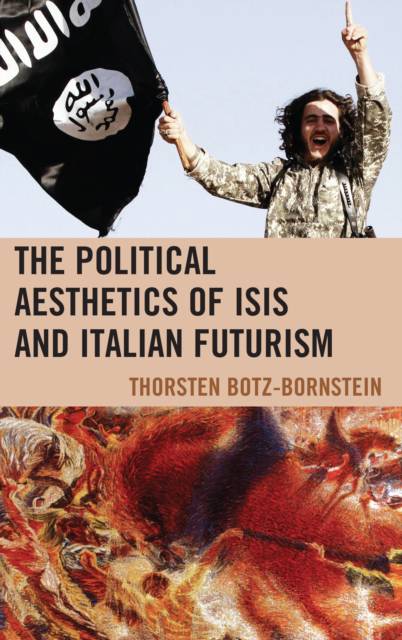
Through empirical analysis and theoretical reflection, this book shows that the aesthetics and politics of the Islamic State is "futurist." ISIS overcomes postmodern pessimism and joins the modern, techno-oriented, and optimistic attitude propagated by Italian Futurism in the early twentieth century. The Islamic State does not only excel through the extensive use of high-tech weapons, social media, commercial bot, and automated text systems. By putting forward the presence of speeding cars and tanks, mobile phones, and computers, ISIS presents jihad life as connected to modern urban culture. Futurism praised violence as a means of leaving behind imitations of the past in order to project itself most efficiently into the future. A profound sense of crisis produces in both Futurism and jihadism a nihilistic attitude toward the present state of society that will be overcome through an exaltation of technology. Futurists were opposed to parliamentary democracy and sympathized with nationalism and colonialism. ISIS jihadism suggests a similarly curious combination of modernism and conservative values. The most obvious modern characteristic of this new image of fundamentalism is the highly aestheticized recruiting material.
Specificaties
Betrokkenen
- Auteur(s):
- Uitgeverij:
Inhoud
- Aantal bladzijden:
- 228
- Taal:
- Engels
Eigenschappen
- Productcode (EAN):
- 9781498564366
- Verschijningsdatum:
- 17/12/2018
- Uitvoering:
- Hardcover
- Formaat:
- Genaaid
- Afmetingen:
- 157 mm x 231 mm
- Gewicht:
- 544 g



Alleen bij Standaard Boekhandel
+ 407 punten op je klantenkaart van Standaard Boekhandel
Cadeau

AANGERADEN


Beoordelingen
We publiceren alleen reviews die voldoen aan de voorwaarden voor reviews. Bekijk onze voorwaarden voor reviews.